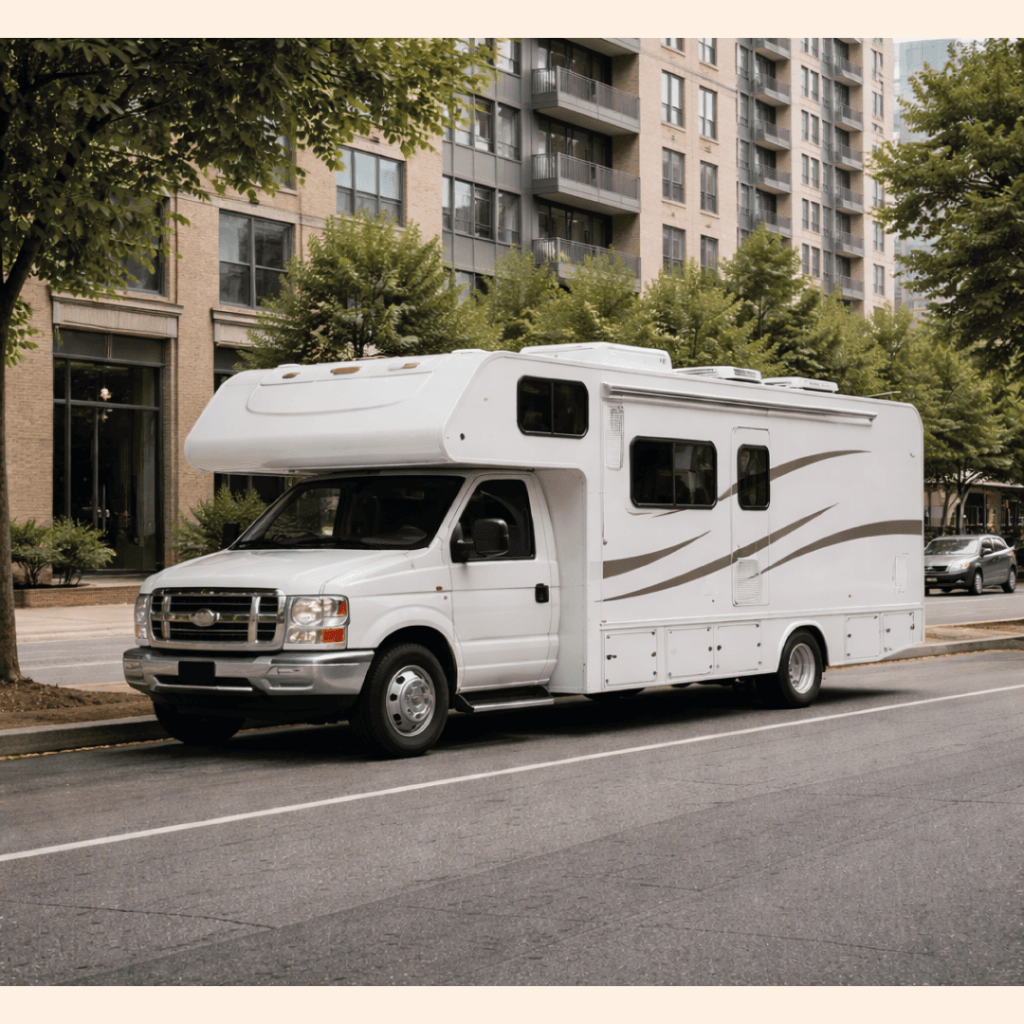
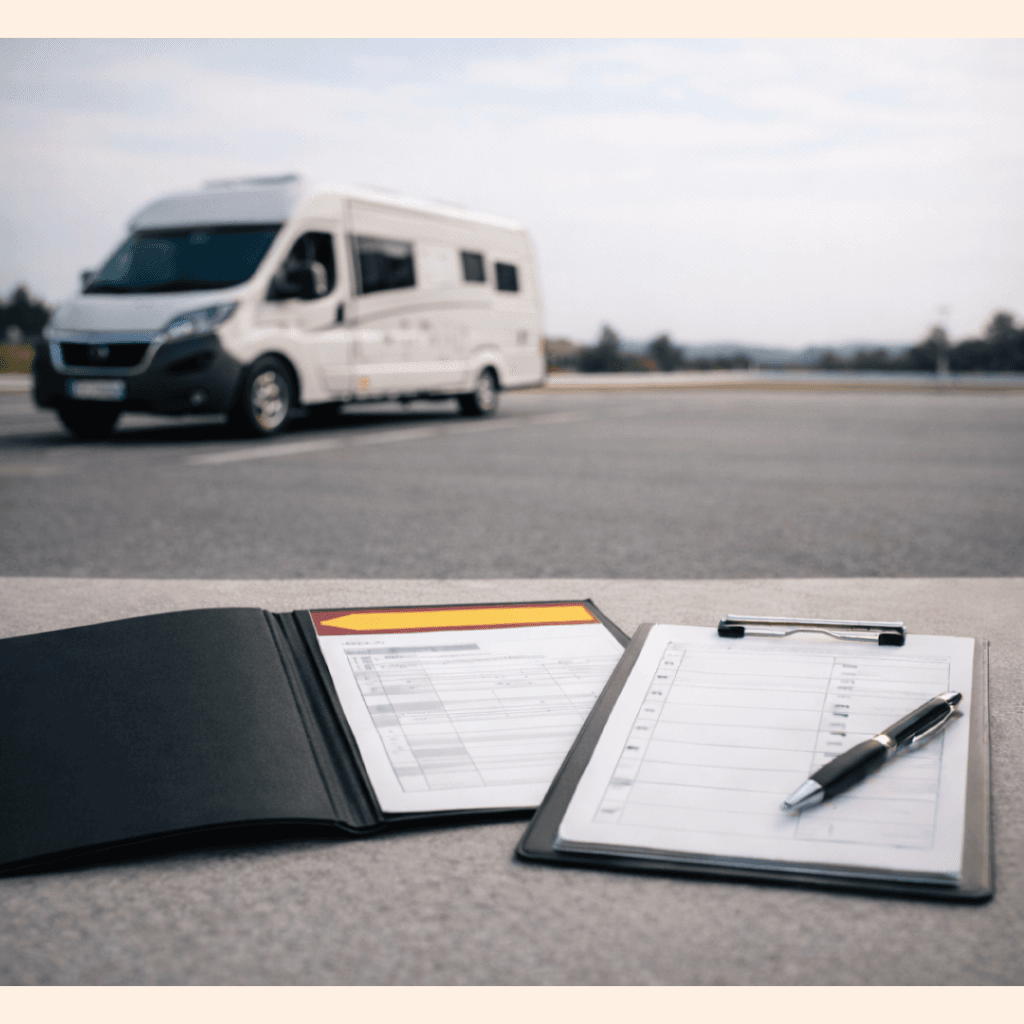
The most common problem with caravan and motorhome insurance is the gap between a policy “existing” and a policy “working.” After taking out a policy, many users assume everything is covered. But the “excluded from coverage” interpretations that surface at the moment of a claim show that this assumption is often wrong.
This article covers, in an informational and practice-focused way, the most common exclusions found in caravan insurance policies, why these situations fall outside coverage, and what to watch for when arranging a policy. The goal is not to make insurance sound frightening, but to correct mistaken expectations in advance.
What Does “Excluded From Coverage” Mean?
Being excluded from coverage does not mean there is no insurance at all. The policy exists and is valid; however, certain situations, risks, or elements have been left outside the insurance coverage. These situations are typically found in:
- The policy’s general terms
- The special terms
- The exclusions listed in the coverage table
The problem is that most users never read these sections; they decide based on the title and the premium amount.
The 10 Most Common Exclusions in Caravan Insurance
1) Fixed Fittings and Conversion Equipment
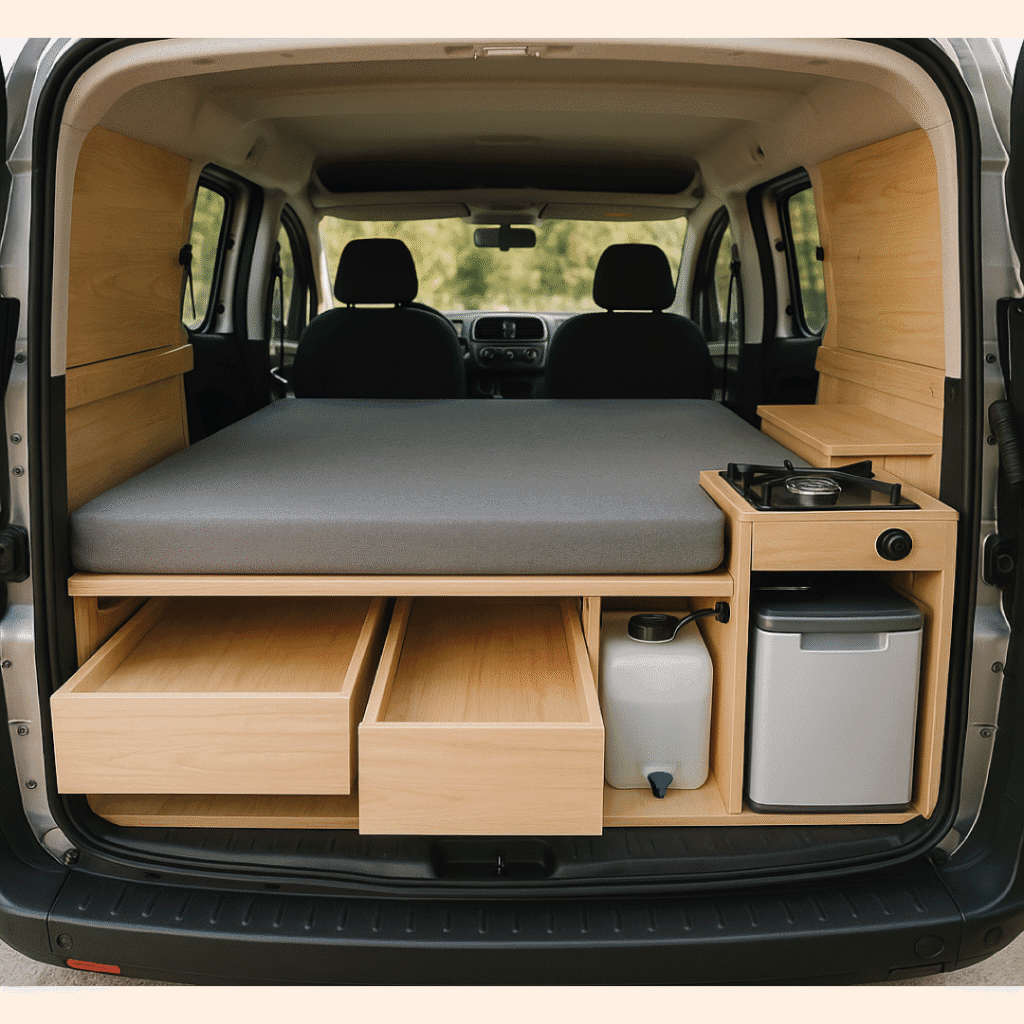
Equipment found in motorhomes — solar panels, inverters, battery systems, fixed cabinets, plumbing, heaters, and similar fittings — is not automatically included in every policy. Some policies only cover the vehicle’s standard factory-fitted equipment.
For fixed equipment added through conversion, insurers may require:
- Additional coverage
- A defined limit
- Compliance between the project/registration and the equipment
If these points are not clarified, “fixed equipment on the vehicle” can be considered excluded from coverage at the time of a claim.
2) Personal Items Inside the Vehicle
Personal items carried in a caravan (electronic devices, camping equipment, kitchenware, clothing, etc.) are often not automatically covered. Even in policies that include “in-vehicle contents coverage,” you may find:
- Low limits
- Exceptions for certain types of items
- A locked-space requirement for theft claims
Contents coverage is a heading that needs to be checked on its own.
3) Awnings, Bike Racks, and External Accessories
External accessories such as awnings, bike racks, roof racks, and rear carriers are treated as “accessories” in some policies and are not included in the main coverage. For this type of equipment, insurers may require:
- Additional accessory coverage
- A per-item limit
- A requirement that the mounting be fixed
Awnings damaged while the vehicle is parked, in particular, are frequently caught by an “excluded” interpretation.
4) LPG and Gas Systems
LPG installations in caravans are a sensitive topic from an insurance standpoint. Installations that are not recorded on the registration, do not meet standards, or lack documentation are considered excluded from coverage in most policies.
In gas-related damage claims, the following questions are typically asked:
- Is the installation recorded on the registration?
- Does it comply with standards?
- Are there maintenance and installation documents?
If the answers to these questions are unclear, the damage assessment can turn out unfavorably.
5) Damage That Occurs While Parked
Damage that occurs while parked is, especially under traffic (third-party liability) insurance, frequently excluded. Even where comprehensive (kasko) coverage exists, situations such as:
- An unauthorized parking area
- A prohibited zone
- Long-term abandoned parking
can affect coverage.
6) Being Interpreted as Commercial Use
Renting out a motorhome, offering paid accommodation, or using it for tour/organization activities is treated as “commercial use” in many policies. If commercial use is excluded in the policy, a resulting claim can fall outside coverage.
7) Modifications Not Recorded on the Registration
Major modifications made to the vehicle (a raised roof, chassis changes, an added axle, etc.) can create problems in an insurance assessment if they are not recorded on the registration. The risk here is far greater than simply being placed in a lower rating class.
8) Exceeding Maximum Load and Technical Limits
Exceeding the maximum permitted laden weight is a significant risk factor from an insurance standpoint. Weighbridge results can be used in fault and coverage assessments following an accident.
9) Natural Disasters and Extraordinary Events
Risks such as floods, flooding, storms, and hail are covered by additional coverage in some policies. If this coverage is not explicitly stated in the policy, it should not be assumed to be automatically included.
10) Maintenance and User Error
A lack of regular maintenance, user error, or negligence falls under the exclusions in many insurance products. This interpretation is particularly common with electrical and gas systems.
What Should You Do When Arranging a Policy to Prevent Exclusions?
- Always read the general and special terms
- Get fixed equipment and accessories covered in writing
- Correctly define how the vehicle is used
- Keep registration and modification documents up to date
- Get written confirmation of any doubtful points
Conclusion
The real risk in caravan insurance is not having no insurance at all — it is arranging insurance with the wrong expectations. Most exclusions can be prevented by asking the right questions and adding the right coverage at the policy stage.
For this reason, when evaluating motorhome insurance, you need to look not at the title, but at the details of the policy. A properly read policy largely eliminates surprises at the time of a claim.
Official Sources
- SEDDK — General Conditions for Highway Motor Vehicles Compulsory Financial Liability (Traffic) Insurance (official PDF)
- Highway Traffic Regulation (Karayolları Trafik Yönetmeliği)
This article was prepared by the CampExpert Editorial Team. General insurance terms and policy coverage can change over time and vary by insurer; for exact coverage information, we recommend checking your policy contract and SEDDK regulations. This article does not constitute legal or insurance advice. Last checked: July 20, 2026.
Related Articles
- How to Choose Caravan Insurance? Policy Comparison Guide (2026)
- Legal Requirements for LPG Installations in Caravans
- Are Gas Leak Sensors Mandatory in a Caravan?
- Caravan Registration Types and Legal Limits (Turkey 2026 Guide)
- Seat Count and Seatbelt Regulations in Motorhomes
- What Does “Special-Purpose Vehicle” Mean on a Motorhome Insurance Policy?
- Current 2026 Motor Vehicle Tax, Inspection, and Insurance Fees for Caravans