
One of the most common sources of uncertainty for motorhome owners has to do with how the vehicle type is written on the insurance policy. On some policies, the vehicle type explicitly reads “motorhome,” while on others only the phrase “special-purpose vehicle” appears. Not seeing “motorhome” on the sub-class line naturally raises the question: “Is my coverage invalid?” This article was prepared to explain the topic in an informational and practice-focused way, without turning it into a personal-experience narrative.
The short answer is this: the validity of insurance coverage does not depend on the word “motorhome” appearing verbatim on the policy. It depends on whether the vehicle type/class on the registration matches the risk definition on the policy, and on whether the general or special terms contain any exclusion. For this reason, the correct assessment should be made by reading the policy text itself, not by looking at the “menu name.”
1) What Is a “Special-Purpose Vehicle”? Its Relationship to Motorhomes
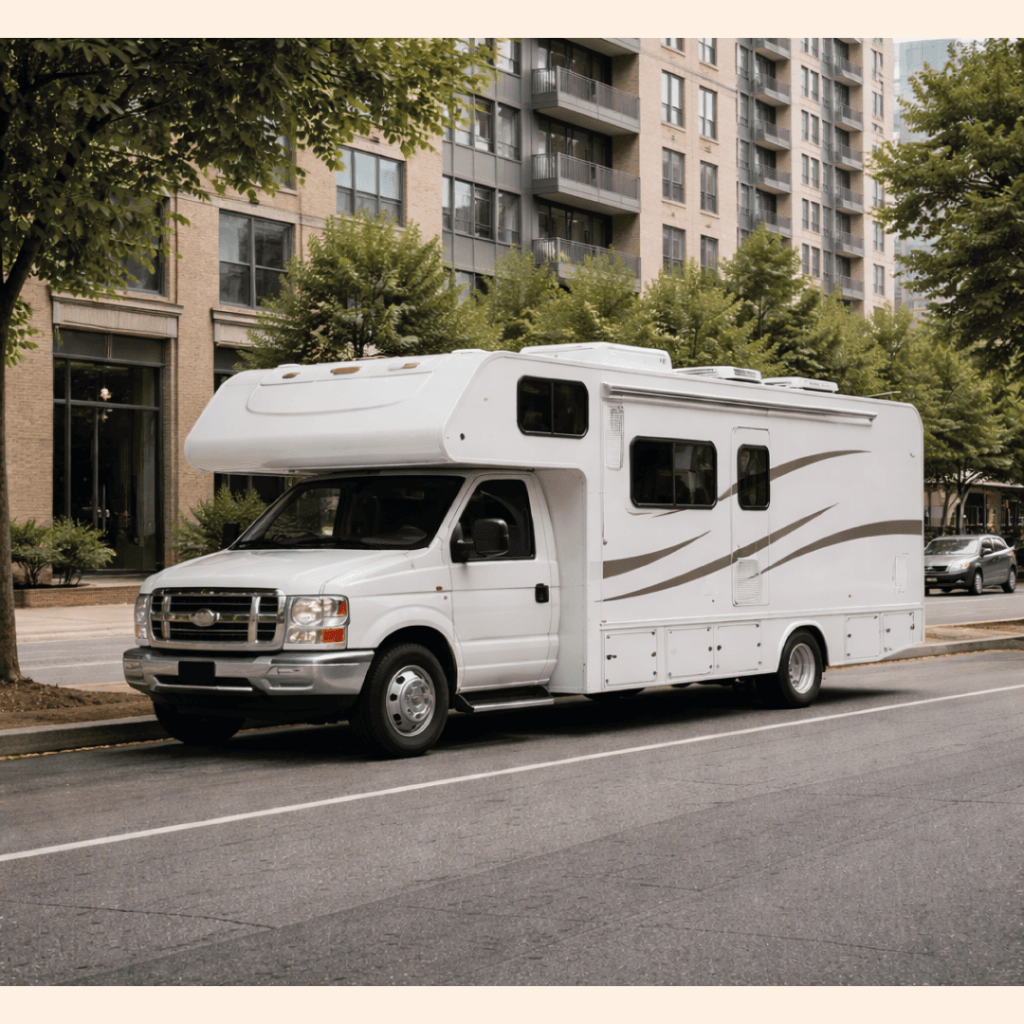
In Turkey, vehicles are defined under certain classes within the regulatory and registration system. Motorhomes are most often listed on the registration document with the vehicle type “special-purpose vehicle.” This is because a motorhome serves a function (accommodation/living space) different from standard car or van use. In most systems, the term “motorhome” refers to a sub-type of use within this special-purpose vehicle category.
The policy-generation screens used by insurance companies do not always reflect the regulatory classification at the same level of detail. Some companies keep “special-purpose vehicle” as the single main category; others add options like “motorhome” underneath it. This difference is usually driven by product-tree design and reporting/statistics needs — it does not automatically mean a difference in coverage.
2) What Actually Determines Whether Coverage Is Valid?
What’s critical for a policy to be considered “valid” is that the risk definition on the policy covers the actual vehicle. On the motorhome side, the core components of this are:
- Registration information: Fields such as vehicle type/class, method of use (private/commercial), and registration type.
- General and special terms: The scope of the policy, exceptions, and exclusions.
- Method of use: Whether it is private use or commercial use (rental, transport, etc.).
For this reason, “the sub-class doesn’t say motorhome” is not, by itself, a reason for a claim to be denied. The real question is whether the vehicle type on the registration matches the risk group on the policy, and whether the policy terms contain a provision that excludes motorhomes.
3) Traffic Insurance or Comprehensive (Kasko)? Why the Wording Differs
Two products are most commonly seen for motorhomes: Compulsory Traffic Insurance and Comprehensive (Kasko) Insurance. These two products aren’t required to use the same policy language or the same level of vehicle-classification detail.
- Traffic insurance follows a more standardized template and often only records the main vehicle class. In some systems, the sub-breakdown isn’t shown at all.
- Comprehensive insurance has a much broader scope of coverage (accessories, glass, minor repairs, roadside assistance, etc.), so the vehicle description can be more detailed; some companies expose sub-classes in the menu for this reason.
So the situation where “one company shows motorhome and another doesn’t” usually reflects a difference in the policy-generation interface rather than an “invalid/valid” distinction. The assessment should always be made based on the text of the policy.
4) Critical Points Motorhome Owners Miss
It’s easy to get fixated on the sub-class line, but the real risks are usually hidden elsewhere. The following topics affect whether coverage will actually “work” more than the sub-class label does.
4.1 Method of Use: Private or Commercial?
Most motorhomes are for private use. However, in some cases, practices such as vehicle rental, tour/transfer activity, or paid accommodation services can be interpreted as “commercial use.” If your policy contains a provision excluding commercial use, you can run into problems even if the sub-class is listed correctly. For this reason, always check the “method of use” section on the policy.
4.2 Conversion and Modification: Does the Registration Reflect the Vehicle’s Current State?
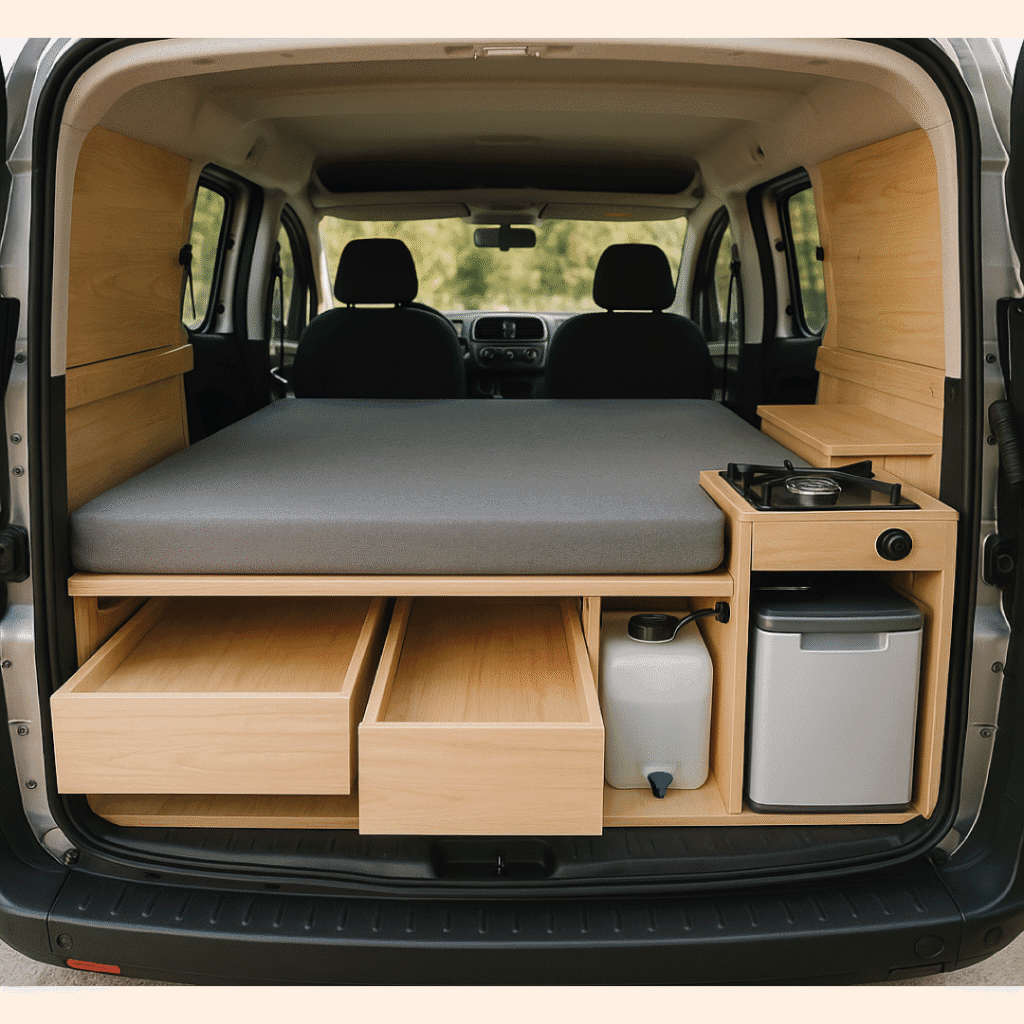
Motorhomes are sometimes factory-built and sometimes created by converting a vehicle such as a panel van. What matters on the insurance side is that the vehicle’s current condition matches its registration/modification records. Major modifications that aren’t recorded on the registration can create disputes during a damage assessment. The issue here isn’t “it doesn’t say motorhome” — it’s whether the vehicle’s characteristics match its documentation.
4.3 Fixed Equipment and Accessories: What’s Covered?
Motorhomes typically include equipment such as solar panels, inverters, battery systems, fixed cabinets, awnings, heaters, refrigerators, and water systems. Some policies treat this equipment as “fixed to the vehicle” and include it in coverage, while others may require certain limits or additional clauses. This section is especially important for comprehensive (kasko) insurance. Even if the sub-class is listed correctly, if the equipment coverage isn’t properly defined, it may not provide the expected protection.
4.4 Contents/Belongings Coverage: What Counts as “Household Items” in a Motorhome
Some comprehensive insurance products include “in-vehicle contents” coverage for personal items, camping equipment, and electronic devices carried in the motorhome. The limit and exceptions for this coverage vary from policy to policy. A significant number of users check the sub-class name but never read the limit on the contents coverage — yet this is one of the points most likely to cause a real-life surprise.
5) If the Sub-Class Doesn’t Say “Motorhome,” What Should You Check?
If the sub-class line isn’t showing, there’s no need to panic — instead, systematically run through the checks below. These checks demonstrate the validity of coverage far more reliably than the sub-class name does:
- Does the vehicle type on the policy read “special-purpose vehicle”?
- Does the vehicle type/class on the registration match “special-purpose vehicle”?
- Do the general terms contain a provision excluding special-purpose vehicles or motorhomes?
- Is the method of use (private/commercial) correctly stated on the policy?
- If it’s comprehensive insurance: how is the fixed equipment/accessory coverage written, is there a limit, is an additional clause needed?
This checklist lets you manage the “it doesn’t say motorhome” concern on solid technical and legal ground — because what matters in insurance is that the text of the policy covers the vehicle.
6) What Should You Ask Your Agent? A Template for Clear Communication
When purchasing insurance, getting written clarity is always healthier than relying on verbal explanations. Asking your agent for a written statement covering the following reduces the risk of disputes later:
- That the vehicle is listed on the registration as a “special-purpose vehicle”
- That the policy provides coverage for this class
- That the motorhome sub-class not appearing in the system doesn’t affect coverage
- Under what conditions the fixed-equipment and, if applicable, contents-coverage limits under the comprehensive policy apply
This approach turns the “motorhome isn’t in the menu” uncertainty into concrete written confirmation.
7) Common Mistakes: What Trips People Up, and What Gets Missed
- Looking only at the sub-class name and not reading the policy terms
- Not defining equipment/accessory coverage when purchasing comprehensive insurance
- Allowing the method of use (private/commercial) to be recorded incorrectly
- Not documenting modifications that need to be recorded on the registration
- Buying an unnecessary product based on the assumption that “a more expensive policy = a safer one”
These mistakes can cause coverage to not work as expected, regardless of the sub-class name. This is why insurance should be assessed based on the whole logic of the policy, not a single word.
8) Conclusion: When Is Coverage Valid If It Says “Special-Purpose Vehicle”?
If your motorhome insurance policy contains the phrase “special-purpose vehicle,” the sub-class not saying “motorhome” does not, by itself, invalidate coverage. The validity of coverage depends on the match between the registration and the policy, the absence of an exclusion in the general/special terms, and the correct definition of the method of use. Especially on the comprehensive side, the limits for fixed-equipment and contents coverage should be read carefully and clarified with additional clauses if needed.
In short: when evaluating motorhome insurance, the question shouldn’t be “does it say the word motorhome?” — it should be “under what conditions does the text of the policy cover the vehicle on the registration?” This approach both reduces unnecessary worry and ensures that the coverage you actually need is properly put in place.
Frequently Asked Questions
The policy says “special-purpose vehicle,” not “motorhome.” Is that normal?
Yes, this can be normal. Some insurance companies issue policies based on the main class without showing a sub-breakdown. What matters is the match between the registration and the policy, and that special-purpose vehicles aren’t excluded in the policy.
Is equipment like solar panels, inverters, and batteries automatically covered under comprehensive insurance?
Automatic coverage isn’t the same on every policy. On some products, equipment “fixed to the vehicle” may be covered up to certain limits; in other cases, an additional clause or limit definition may be required. You need to check the policy’s special terms and coverage table.
What happens if the policy is written as commercial use instead of private use?
The method of use is an important parameter in assessing coverage. An incorrect definition can create disputes at the time of a claim. For this reason, the method of use needs to be recorded correctly when the policy is issued.
Related Articles
- Legal Requirements for LPG Installations in Caravans
- Are Gas Leak Sensors Mandatory in a Caravan?
- Caravan Registration Types and Legal Limits (Turkey 2026 Guide)
- Seat Count and Seatbelt Regulations in Motorhomes
- What’s Excluded From Caravan Insurance
- Current 2026 Motor Vehicle Tax, Inspection, and Insurance Fees for Caravans