Caravan fires are rare, but when they start they spread extremely fast; a tight interior space, gas systems, electrical wiring, and flammable upholstery materials combined mean the whole vehicle can catch fire within minutes. That’s why choosing the right fire extinguisher and keeping a comprehensive emergency kit on board is a part of caravan ownership that shouldn’t be neglected. In this guide we cover which type of fire extinguisher is right for your caravan, how many you should carry, and what should be in your emergency kit.
What Are the Fire Risks in a Caravan?
The three most common sources of caravan fires are: grease or food catching fire while using the kitchen stove/oven, short circuits in the electrical system (especially due to incorrect wiring in add-on outlets/inverters/solar installations), and leaks in the LPG gas system. In addition, using a barbecue or outdoor stove too close to the caravan is also risky. Since most caravan interiors are made of wood paneling, foam upholstery, and synthetic materials, a fire spreads far faster than in a typical house, and every second counts for evacuation.
How to Choose the Right Fire Extinguisher Type
The market offers extinguisher types suited to different fire classes; the most suitable options for a caravan are:
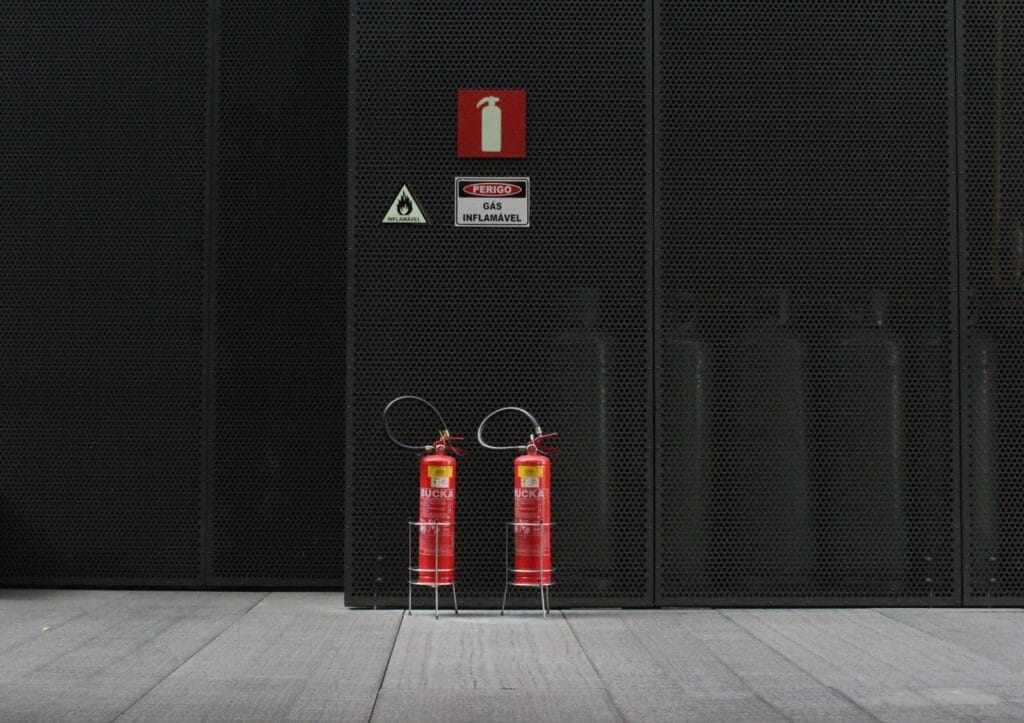
- ABC dry chemical powder extinguisher: Effective against solid material (A), liquid/grease (B), and electrical (C) fires; this is the most recommended general-purpose type for a caravan. Its downside is that it covers the interior in powder when used and can damage electronics.
- Foam extinguisher: Effective against solid and liquid fires, but should not be used on electrical fires; not recommended as the sole extinguisher in a caravan.
- CO2 (carbon dioxide) extinguisher: Puts out electrical and electronic equipment fires without leaving residue; it makes sense to add one as a secondary extinguisher near the caravan’s electrical panel/inverter area.
The general recommendation is to carry a 1-2 kg ABC dry powder extinguisher as the primary unit, plus a small CO2 extinguisher for the kitchen/electrical area. Make sure the extinguisher carries an approved certification mark and has a valid refill/inspection date.
How Many, and Where Should They Be Placed?
At least 1 fire extinguisher is recommended for small and mid-sized caravans (towed caravans, compact motorhomes), and at least 2 for large integrated motorhomes. Practical placement rules:
- One extinguisher should be near the entry door, at an easily reachable point (accessible both from inside and during evacuation if a fire starts).
- Keep an extinguisher at a reasonable distance from the kitchen area — not too close, so you can reach it without approaching the fire source.
- Don’t place the extinguisher in direct sunlight or right next to heat sources (oven, heater), as this can affect its pressure balance.
Fire Blanket
A fire blanket is a more practical and less damaging solution than a fire extinguisher, especially for small grease/pan fires in the kitchen; it smothers the pan and cuts off oxygen without leaving any powder residue. It should be kept in a drawer or wall mount right next to the stove, ready to be pulled out and unfolded easily. It’s considerably cheaper than a fire extinguisher and is recommended for every caravan.
Emergency Kit Contents
In addition to a fire extinguisher and blanket, the basic emergency equipment your caravan should carry includes:
- A first-aid kit (including burn ointment)
- A rechargeable or battery-powered flashlight (don’t rely on your phone’s flashlight; it should be a separate battery source)
- An emergency whistle (for calling for help)
- A window/glass breaker and seatbelt cutter (especially for exiting through a window if the evacuation door jams)
- Heat-resistant gloves (before touching hot surfaces or a door handle)
- A spare gas/electrical main shutoff key (to quickly shut off the LPG cylinder or electricity in an emergency)
- A warning triangle and reflective vest (for roadside emergencies)
Keeping all this equipment in a single spot that every family member knows (for example, a cabinet next to the entry door) prevents wasted time during a crisis.
Maintenance and Inspection Schedule
Check the fire extinguisher’s pressure gauge once a month; if the needle moves out of the green zone, have it refilled or replace it. For powder extinguishers, it’s recommended to gently invert and shake the unit once a year to prevent the powder from settling. Note the manufacturer’s specified refill/service date (usually every 1-2 years) and add it to your calendar.
Relationship With Detectors
A fire extinguisher and emergency kit don’t replace early-warning LPG/carbon monoxide/smoke detectors — together the two form a complete safety system. For detailed information on whether detectors are required in your caravan and which types you need, see our Are Gas Leak Sensors Mandatory in a Caravan? article.
Frequently Asked Questions
Is it legally required to carry a fire extinguisher in a caravan?
There’s no general legal requirement for privately used caravans in Turkey, but campsites and some ferry crossings may require a working fire extinguisher on board.
Where can I get a fire extinguisher?
Certified fire extinguishers can be obtained from hardware stores, auto parts shops, or online retailers; for refilling and maintenance, contact an authorized fire equipment dealer.
What should I do in a small kitchen fire?
First try smothering the flame with a fire blanket; never try to put it out with water (especially for grease fires, water can cause an explosion). If the flame is larger, evacuate immediately and use the fire extinguisher.
Conclusion
Carrying the right type and number of fire extinguishers, a fire blanket, and a comprehensive emergency kit is the most effective way to stop a small accident from turning into a major disaster. Remember to check this equipment regularly and make sure every family member knows where it is and how to use it.
Related Articles
- Are Gas Leak Sensors Mandatory in a Caravan? LPG, Carbon Monoxide, and Smoke Detector Guide
- Legal Requirements for LPG Installations in Caravans
- Caravan Theft Prevention: Alarms, GPS Tracking, and Security Systems Guide (2026)
This article was prepared by the CampExpert Editorial Team. Fire safety equipment choices may vary depending on your vehicle’s size and how you use it; we recommend choosing certified products with a current refill date. Last checked: July 20, 2026.