Insulation & Energy Efficiency: Climate-Adaptive Caravan Technologies
Making comfort sustainable in caravan life doesn’t depend only on aesthetics or furniture solutions — it depends on insulation and energy efficiency. As of 2025, users are turning to more advanced technologies to be able to spend long periods of time in different climates. The shared goal of these technologies is to maintain a stable indoor comfort temperature and clean air while minimizing energy consumption. This article offers a broad perspective, from new-generation insulation materials used in caravans and passive cooling solutions to window and door designs and energy-efficient lighting and appliances.
New-Generation Insulation Materials
Aerogel panels: Aerogel, with its extremely low thermal conductivity, provides high insulation in thin layers. Thanks to its lightness, it reduces thermal bridges in caravan walls without adding extra load. Despite its high cost, it has become one of the preferred solutions in 2025 because it delivers energy savings over the long term.
Vacuum panels: Vacuum insulation panels (VIP) have started to be used especially in roof and floor areas. Despite being thinner than traditional foam insulation, they perform 5 times more effectively. This makes it possible to achieve better thermal insulation without losing interior space.
Multi-layer composites: Closed-cell foams coated with aluminum foil help keep the interior cool in summer thanks to their heat-reflecting properties. They also contribute to sound insulation.
Passive Cooling and the Use of Thermal Mass
Instead of relying solely on technological devices for energy efficiency, passive cooling methods are also coming to the forefront. For example, shade panels mounted on the roof can lower the indoor temperature by 5–7 degrees by blocking direct sunlight. Opening windows and roof fans that support natural airflow provide cooling without consuming energy.
Thermal mass: Ceramic tiles or high-density materials used indoors store heat during the day and slowly release it throughout the night. This method increases comfort especially in regions with a large temperature difference between hot days and nights.
Energy Management in Window and Door Design
Most of the energy loss in caravans comes from windows and doors. In 2025 models, double- or triple-glazed windows have become standard. Low-emissivity (Low-E) coatings reduce heat loss in winter while reflecting sunlight in summer.
Thermal curtains and blind systems are also gaining importance. Blinds coated with thermally insulating fabric provide both privacy and energy savings. In addition, door systems reinforced with magnetic seals minimize wind and dust infiltration.
Energy-Efficient Lighting and Appliance Selection
Energy efficiency isn’t limited to insulation materials alone; the appliances used also play a critical role. In 2025, LED lighting has become standard, consuming 80% less energy than classic halogen bulbs. In addition, sensor-based and dimmable systems prevent unnecessary energy use.
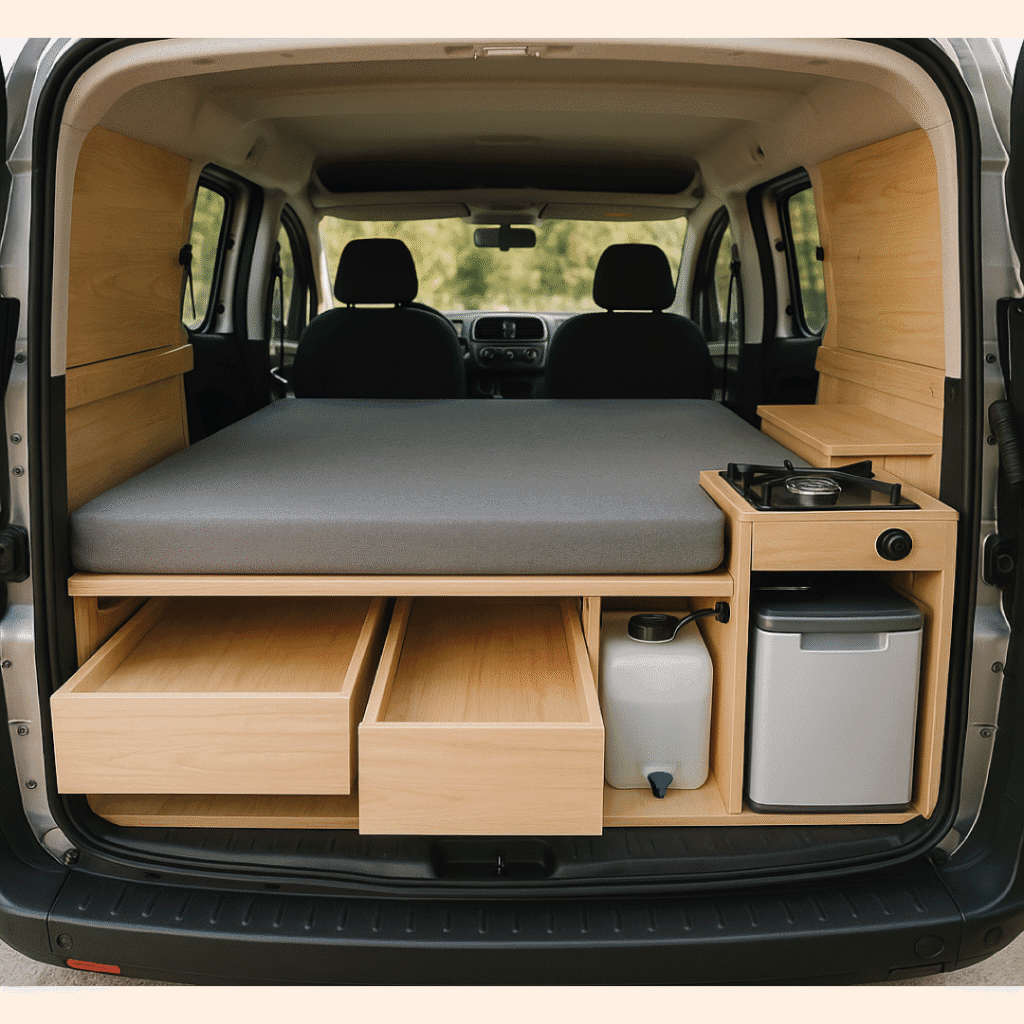
For appliances, A+++ rated mini fridges, low-consumption induction cooktops, and air conditioners with inverter technology are preferred. Since a caravan’s energy system is usually limited to a battery and solar panel, this saving makes a big difference on long trips.
Renewable Energy Integration
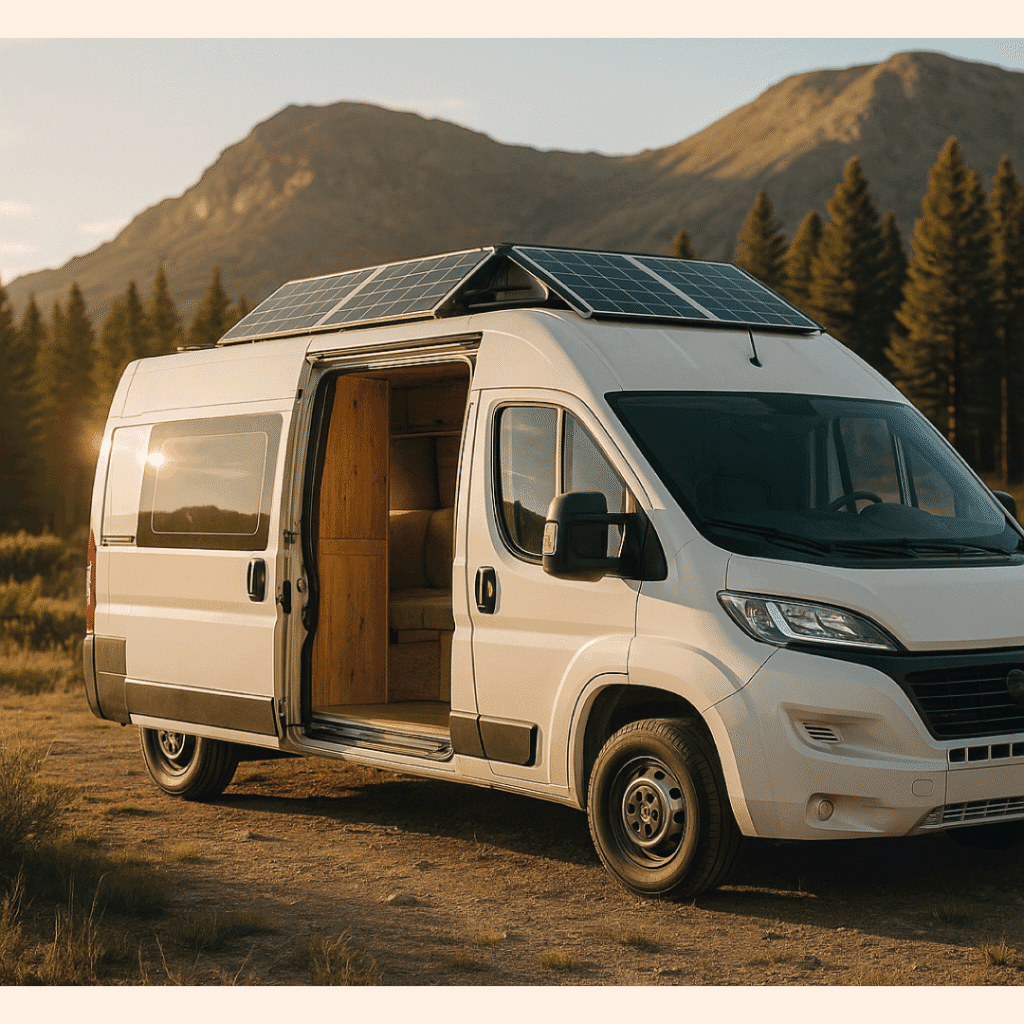
Solar panels are the most common solution used for sustainability in caravans. However, in 2025, high-efficiency monocrystalline panels and foldable portable panels have started to be preferred more. These panels provide higher energy generation even in shaded areas.
In addition, Lithium Iron Phosphate (LiFePO4) batteries offer a major advantage over lead-acid batteries thanks to their long lifespan and safe design. Being lighter also contributes positively to load capacity.
Adapting to Climate Conditions
Every caravan user travels through different geographies. While coping with intense sun and heat is the priority in a Mediterranean climate, insulation resistant to winter conditions becomes more important on the Black Sea coast or in Central Anatolia. For this reason, manufacturers have started offering modular insulation solutions. Users can add extra insulation panels or shading equipment depending on the region they’re traveling through.
Safety and Health Perspective
Energy efficiency shouldn’t come at the expense of safety. Insulation materials being fire-certified (non-combustible) reduces fire risk. In addition, without proper ventilation, moisture and mold can develop indoors. This affects not just belongings but also the health of users. In 2025 models, air quality sensors and automatic humidity balancing systems are appearing more often.
Conclusion
Insulation and energy efficiency in caravans have become a basic necessity rather than a luxury in 2025. Thanks to new-generation materials like aerogel and vacuum panels, passive cooling methods, high-efficiency windows, and energy-saving appliances, comfort increases while sustainability is supported. These climate-adaptive technologies make caravan life enjoyable and safe in all four seasons.