Transformer Motorhome: Wall-Expanding Caravans and Their Future
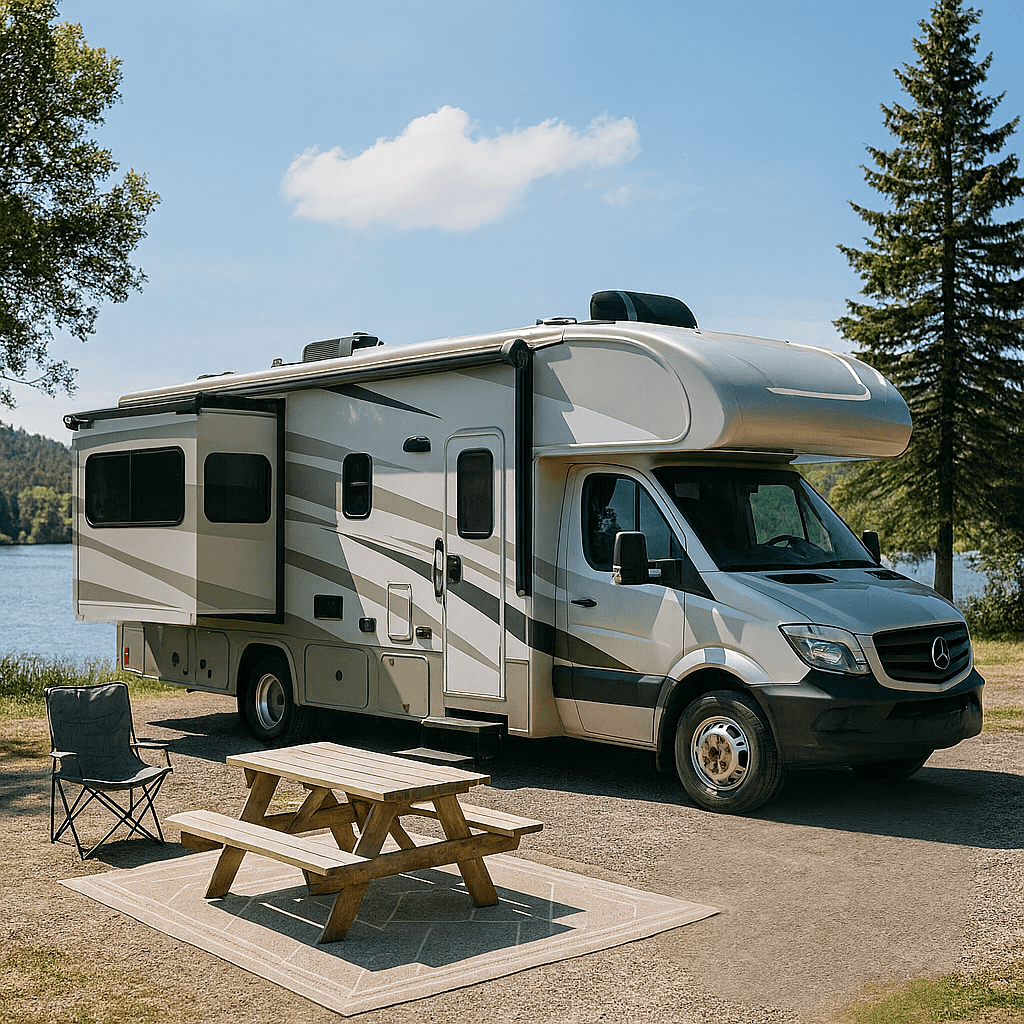
The caravan world encounters a new design philosophy every year. One of the most striking innovations to capture attention in 2025 was the “transformer motorhome” — models with walls that can expand outward. Some prototypes unveiled at the CES trade show in Las Vegas can open their side walls once parked, doubling the existing living space. This approach generated major excitement in the industry with its claim that a small vehicle could offer villa-level comfort without losing its mobility. So how will the future of this new generation of caravans take shape?
Where Did the Expandable Caravan Idea Come From?
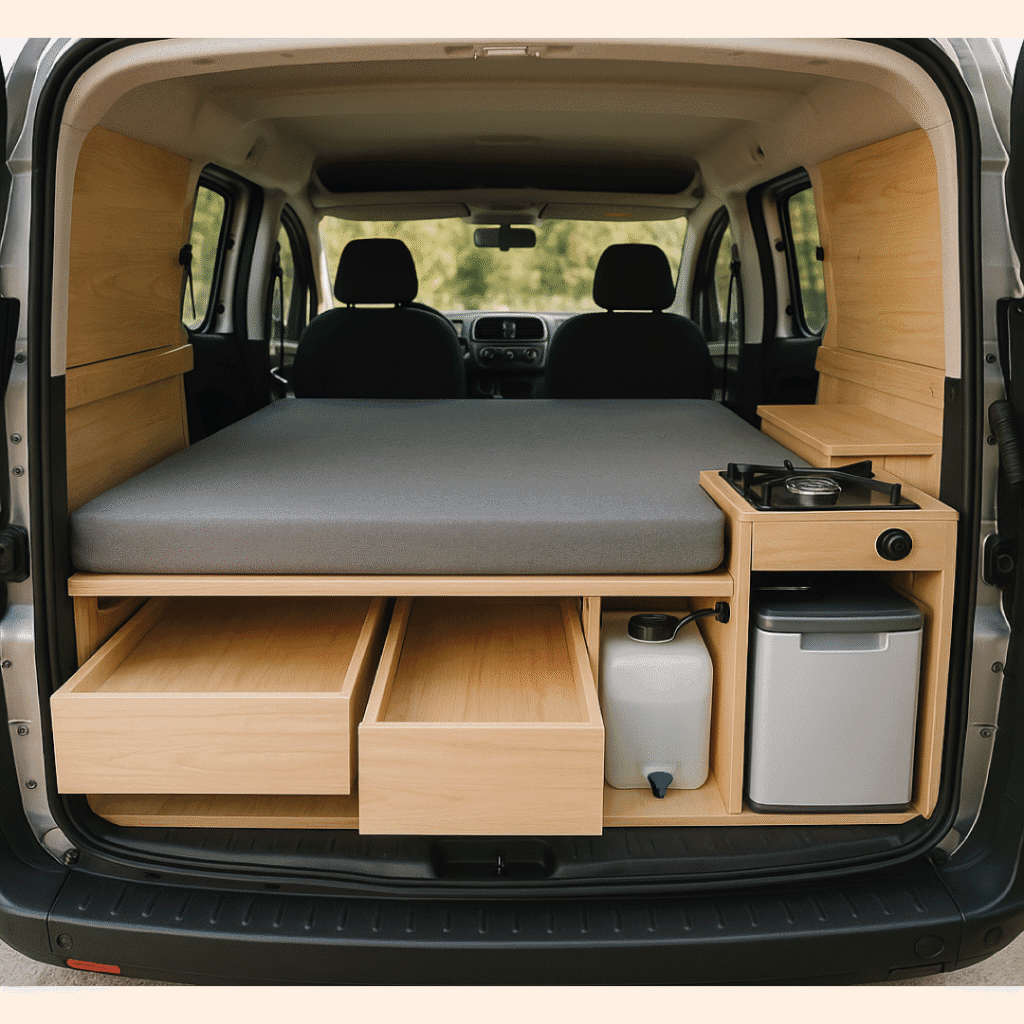
The biggest problem in traditional caravans is space constraint. An average motorhome offers between 12 and 20 m² of living space. While sufficient for short trips, users on longer stays want a larger kitchen, a more comfortable bathroom, or extra storage. The “expandable” idea has actually been discussed in caravan forums for many years. However, turning it into a commercial product required serious investment in engineering, safety, and weight balance. The models unveiled at CES 2025 showed that this concept is no longer just a dream.
How the Technology Works
The most commonly used method in transformer motorhome models is a wall-opening mechanism operated by hydraulic or electric rail systems. When the vehicle is parked, the user presses a button and the side panels slide outward, additional platforms unfold from the floor, and the space nearly doubles within a short time. These systems can be applied not only to side walls but also to the roof. In some models, the roof is raised, increasing ceiling height by 40–50 cm. This makes it possible to create a spacious interior even in a vehicle with a low ceiling.
Advantages: Great Comfort in a Small Space
- More living space: The bedroom, kitchen, and living area become far more comfortable to use.
- Multi-purpose use: Compact while driving, spacious once parked.
- Market appeal: Attractive to those who want a minimalist lifestyle without giving up space.
- Suited to long-term living: Ideal for digital nomads, retirees, or families planning long trips.
Challenges and Debates
As with any new technology, expandable caravans come with their own set of problems. The first is weight. The additional mechanisms and rail systems can add 200–400 kg to the vehicle’s total weight, which can affect both fuel consumption and handling. The second issue is weatherproofing. Panels that open and close carry a risk of water leakage in heavy rain and snow. Safety is also a concern: although special locking systems have been developed to prevent panels from opening while driving, long-term durability is still being tested.
Initial User Reactions
Reactions from visitors who showed strong interest in the models at CES 2025 were split into two camps. One group praised the concept, saying “finally, real home comfort.” The other group is concerned it’s “too complex and will break down over time.” Traditional caravan users in particular argue that simplicity matters for safety and durability. Despite this, videos of expandable caravans gained millions of views on social media and became widely popular.
Potential in Turkey and Europe
The vast majority of caravan users in Turkey prefer towable caravans. However, since the motorhome market is growing, this kind of innovation is likely to draw interest. In Europe, particularly in Germany, the Netherlands, and the Nordic countries, a culture of extended stays is common. This suggests expandable models could quickly find a place in the market. However, tax and licensing matters may require additional inspections, particularly because of the moving parts.
The Technical Future: Smart Control Systems
Another step anticipated for the post-2025 period is integrating these wall-opening mechanisms with IoT systems. Users will be able to open and close modules via a mobile app, while sensors take automatic safety measures based on weather conditions. For example, the system could automatically close the walls when strong wind is detected. In addition, retractable roof solutions integrated with solar panels and energy storage systems will provide not just extra space but also energy efficiency.
Price Expectations
Expandable motorhome models are expected to cost 20–30% more than standard caravans. For example, one of the prototypes unveiled in 2025 was announced at around $250,000. While this seems reasonable for the luxury segment, it remains out of reach for mid-range users. If local manufacturers in Turkey adapt this technology, more affordable solutions could emerge.
Conclusion
The transformer motorhome concept is opening a new chapter in the caravan world. Expandable walls, offering a radical solution to the tight-space problem, make it possible for a small vehicle to turn into a large home. Although this technology is still in its early stages, it could make caravan living more appealing and comfortable in the future. Once durability, weight, and cost issues are resolved, expandable caravans are likely to appear frequently not only at trade shows but on real roads as well.