
One of the most confusing questions after buying a caravan or motorhome is: “which insurance company should I choose?” Dozens of insurers and comparison platforms exist, but because caravans have a different risk profile than standard passenger cars, generic car-insurance comparisons often fall short. This guide covers what to look for when choosing caravan insurance, the difference between mandatory third-party liability and optional comprehensive (kasko) coverage, and how to avoid the “lowest price” trap.
Motorhome or Towed Caravan? The Insurance Difference
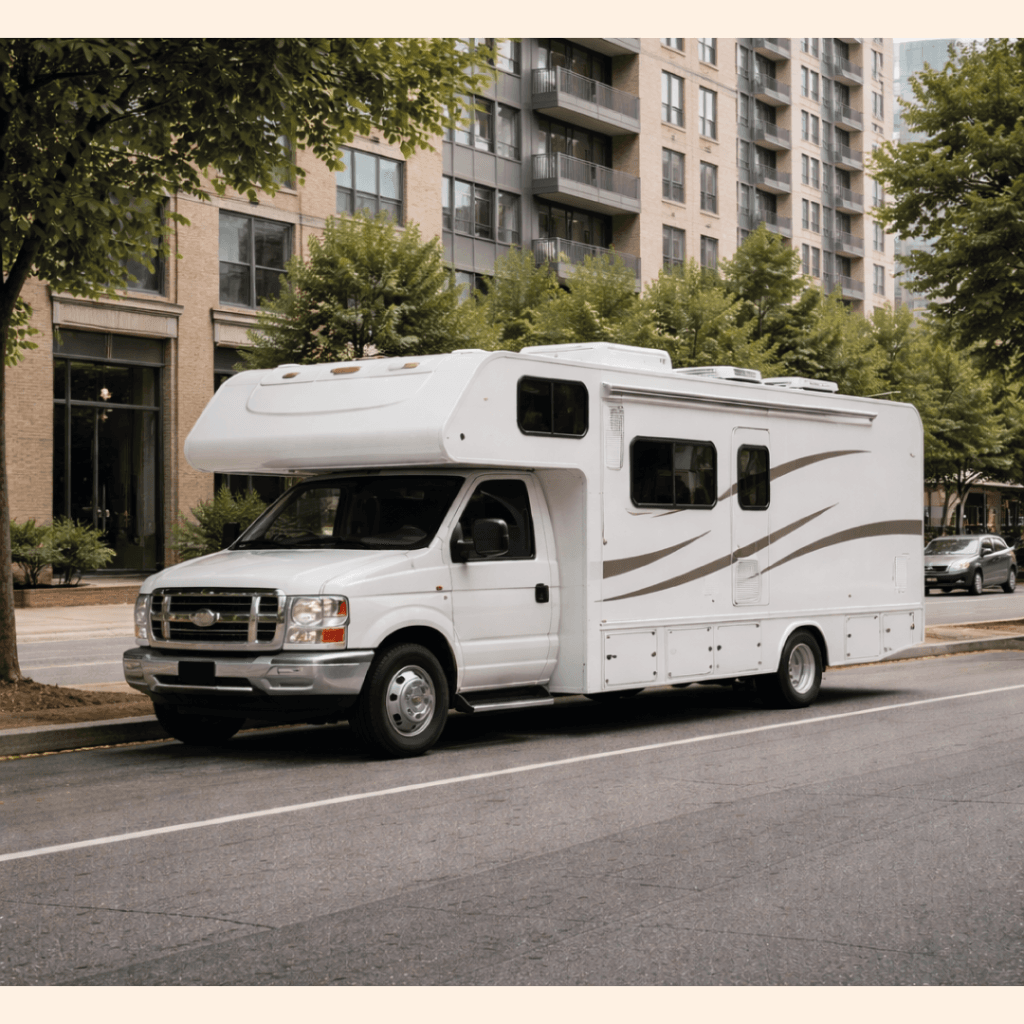
A motorhome is a single-body vehicle with its own engine and driving cab, so it’s assessed like any other motor vehicle for both mandatory liability and comprehensive coverage. A towed caravan has no engine of its own and is pulled by another vehicle, so it’s typically assessed under a separate, caravan-specific policy rather than as part of the tow vehicle’s insurance. When getting quotes, clarifying exactly how your caravan is classified (motorhome/special-purpose vehicle vs. O1/O2 trailer) is critical to getting the right coverage.
Mandatory Third-Party Liability: Fixed Tariff, Variable Outcome
Mandatory liability premiums follow a government-set tariff and don’t vary dramatically between insurers. The critical detail to watch, however, is the optional liability extension (İMM in Turkey) limit: the coverage a mandatory policy pays to third parties can fall short given current vehicle prices. Choosing a policy with “unlimited” or a high İMM limit can protect you from paying out of pocket after a serious accident.
Comprehensive Coverage: What’s In, What’s Out?
Caravan comprehensive coverage generally includes:
- Damage from collisions, crashes, and rollovers
- Fire, theft, and in some policies, natural disaster risks (flood, earthquake)
- Assistance services such as roadside help, towing, and in some policies, accommodation support
However, some caravan-specific risks — LPG installation damage, interior fittings/furniture damage, and technical disputes tied to the “special-purpose vehicle” classification — may not be explicitly covered by standard comprehensive policies. You must clarify these details before purchasing a policy; see our guide on what’s excluded from caravan insurance for more detail.
How to Use Comparison Platforms
Comparison platforms let you view quotes from 30+ insurers on a single screen. When using them:
- Make sure your vehicle is correctly classified as “motorhome” or “special-purpose vehicle” — misclassification can cause both incorrect pricing and disputes at claim time
- Compare not just the price, but the İMM limit, the deductible rate, and additional coverage options
- Check the insurer’s complaint resolution record and user reviews about the claims process
The “Lowest Price” Trap
The most common mistake when comparing insurance quotes is focusing only on the cheapest offer. A lower-priced policy may come with a low İMM limit, a narrow service network, a high deductible, or missing add-ons (LPG damage, interior fittings, personal belongings) that leave you underprotected at claim time. Choosing a policy without understanding where the price difference comes from can look like savings in the short term but turn into a serious cost later.
6 Criteria to Check When Choosing a Policy
- İMM limit: Unlimited or a high limit if possible
- Deductible rate: The amount you’ll pay out of pocket at claim time
- Assistance coverage: Under what distance and conditions towing, roadside help, and accommodation support apply
- Caravan-specific add-ons: LPG installation, interior fittings/furniture, personal belongings
- Theft coverage conditions: Whether an approved security device (GPS/alarm) is required
- The insurer’s claims performance: Complaint index and user experiences
Renewal Tips
Getting a fresh quote at each renewal, rather than auto-renewing, usually gets you a better price/coverage balance. Declaring changes you’ve made to your caravan (a new LPG installation, updated interior fittings, a newly installed security device) to your insurer ensures accurate premium calculation and reduces the risk of a dispute at claim time.
Frequently Asked Questions
Do motorhomes and towed caravans cost the same to insure?
No. A motorhome is a complete vehicle with its own engine and cab, so both mandatory liability and comprehensive coverage are priced like any motor vehicle. A towed caravan is usually assessed through a separate, caravan-specific coverage structure.
Is the cheapest quote from a comparison site always the best choice?
No. The cheapest offer usually comes with a lower İMM limit, a higher deductible, or missing add-ons. You need to compare coverage details line by line alongside the price.
Should I tell my insurer if my caravan has an LPG installation?
Yes. In the event of a claim related to the LPG installation, the insurer is likely to review whether it meets standards. Failing to declare it can lead to disputes at claim time.
Conclusion
The right approach to choosing caravan insurance isn’t chasing the lowest price on a single platform — it’s looking at the whole picture: the İMM limit, deductible rate, assistance coverage, and caravan-specific add-ons. Getting comparative quotes from several insurers, declaring equipment changes at renewal, and researching an insurer’s claims performance are the soundest steps to protect you today and at claim time.
This article was prepared by the CampExpert Editorial Team. Insurance premiums and insurer policies can change over time; we recommend confirming current quotes and terms with your insurer before purchasing. Last checked: July 20, 2026.
Related Articles
- What’s Excluded From Caravan Insurance
- What Does “Special-Purpose Vehicle” Mean on a Motorhome Insurance Policy?
- Current 2026 Motor Vehicle Tax, Inspection, and Insurance Fees for Caravans
- Registration, Insurance and Legal Requirements for Caravans in Turkey
- Caravan Theft Prevention: Alarms, GPS Tracking, and Security Systems