We trace the journey of freedom on wheels, step by step, from nomadic tents to smart mobile homes.
Summary: The Roots of the Caravan Idea
The short answer to “how was the caravan invented?”: it began with humanity’s need for portable shelter,
the idea of a wheeled dwelling evolved over centuries, and the modern caravan was born with the invention of motor vehicles.
Nomadic tents, Romani vardo wagons, and aristocrats’ hunting and holiday carriages eventually gave way to the automobile
revolution of the 20th century, which brought caravans to the masses. Today, with technologies like solar panels, lithium batteries,
smart controls, and satellite internet, the caravan has turned into a genuine mobile living ecosystem.
1) The First Traces: From Nomadic Tents to the Wheeled-Home Idea
The seeds of the caravan were planted in the nomadic life that has continued since prehistoric times. The felt tents
of the Central Asian steppes, the portable shelters of the Middle East, and Europe’s traveling communities combined shelter and travel
into one. In the Roman period, upholstered luxury carriages that added comfort to long journeys are counted as early
examples of the “living on the road” idea.
2) The Medieval Icon: Romani Vardo Wagons
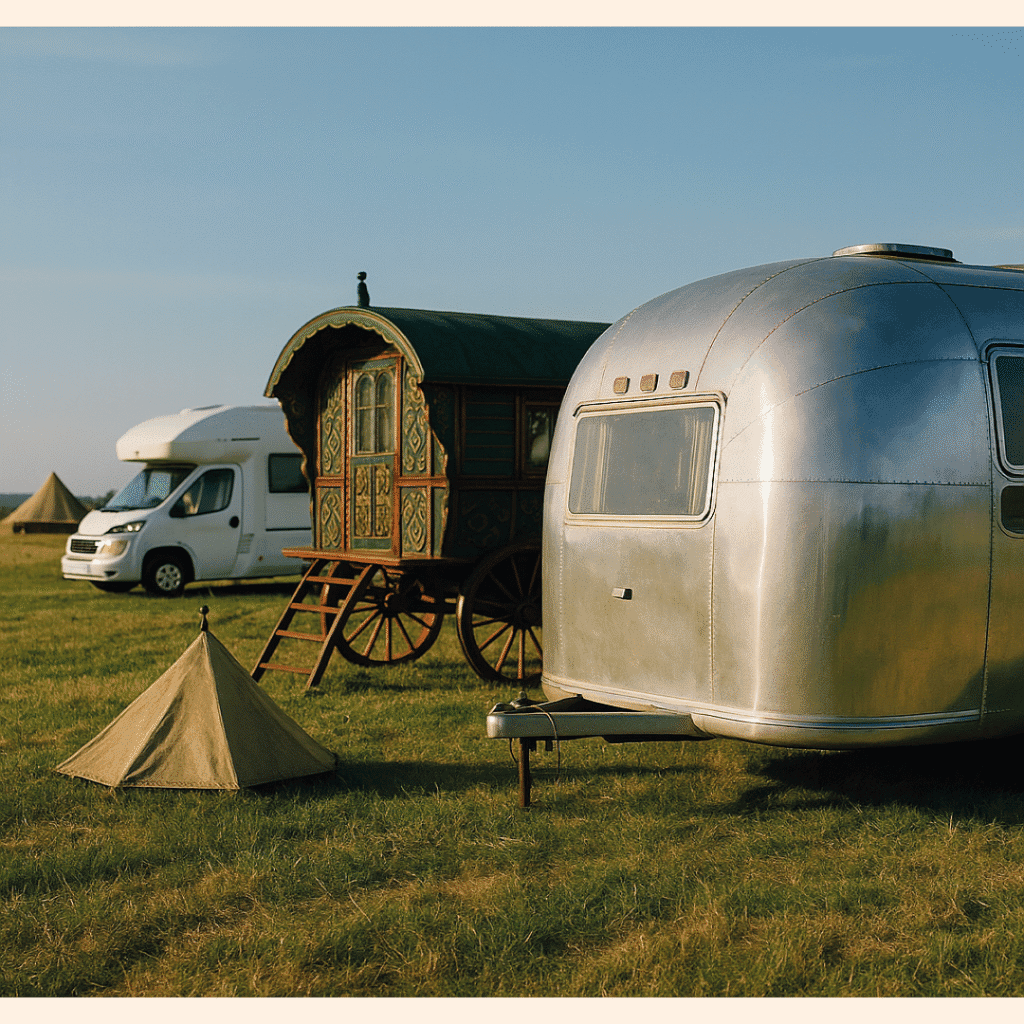
The vardo wagons used by Romani communities in Europe were both a home and a work of art. Wood carvings, vivid colors, and
functional interior design reinforced a sense of identity, freedom, and belonging. Vardos are still regarded as the
most visually iconic reference point in caravan history.
- It made visible the idea that a caravan is “not just transport, but living space.”
- It kicked off the pursuit of aesthetics and identity in mobile homes.
3) 18th-19th Centuries: The Rise of Travel Culture
As the Industrial Revolution improved roads and travel options, the desire to reach places trains couldn’t go gave birth to
luxury horse-drawn caravans (hunting/holiday carriages). These designs, which fit a bed, table, storage, and a small
kitchen inside, are the inspiration for today’s travel trailers.
4) Early 20th Century: The Automobile Revolution and the First Motorhomes
In the early 1900s, the automobile became widespread, and the first motorized caravans, called “house cars,” appeared.
As car culture grew in the US in the 1920s, camping and life on the road became popular. The development of
lightweight-bodied travel trailers opened up caravanning to the masses.
- Lightweight alloy bodies instead of wood
- Improved chassis and axle architecture for towing safety
- Modular furniture and folding solutions inside
5) 1950-1970: The Golden Age of the Caravan
Post-war prosperity put family holidays and getaways into nature front and center. Caravan camps grew in the US and Europe;
the travel trailer and motorhome segments matured. This is the period when the caravan became a
symbol of “a free family holiday.”
- Mass production: The caravan’s price/performance improved.
- Standardization: Electrical, water, gas, and safety standards spread.
- Camping infrastructure: Parks, service areas, and maintenance stations increased.
6) 1980-1990: The Age of Comfort and Technology
With TV, a fridge, hot water, and heating/cooling systems, the caravan reached “mobile home” comfort levels.
Ergonomic planning, storage, and insulation solutions improved indoors; weight-reduction and safety practices became standard.
7) The 2000s and Today: Minimalism, Off-Grid, and Digital Nomadism
The tiny house movement, off-grid equipment (solar panel + MPPT, lithium battery, inverter), smart controls
(monitoring energy/water via an app), and satellite internet have made uninterrupted living in a caravan possible.
Lightweight composite panels, monocoque bodies, and aerodynamic shapes improve range and towing safety.
- Ultra-lightweight caravans compatible with electric tow vehicles
- Digital nomad layouts with a workshop/work desk
- Smart climate control and remote monitoring (IoT)
8) Caravan Culture in Turkey
Caravanning in Turkey, which gained momentum starting in the 1980s, saw a surge after the pandemic amid a search for
alternative living. The growth of domestic manufacturers, an expanding service/accessory ecosystem, and more nature
camping spots have matured the travel trailer and motorhome market.
At Campexpert, we care about producing unbiased information – from caravan buying guides to electrical/energy
calculations, from equipment comparisons to route inspiration. For a start, you can also check out these articles:
9) A Quick Guide to Caravan Types
- Travel Trailer: Towed by a car/SUV; weight, axle, and tow-bar compatibility are critical.
- Motorhome (Panel Van/Cutaway-Based): Drive-and-live comfort; high flexibility for parking/camping.
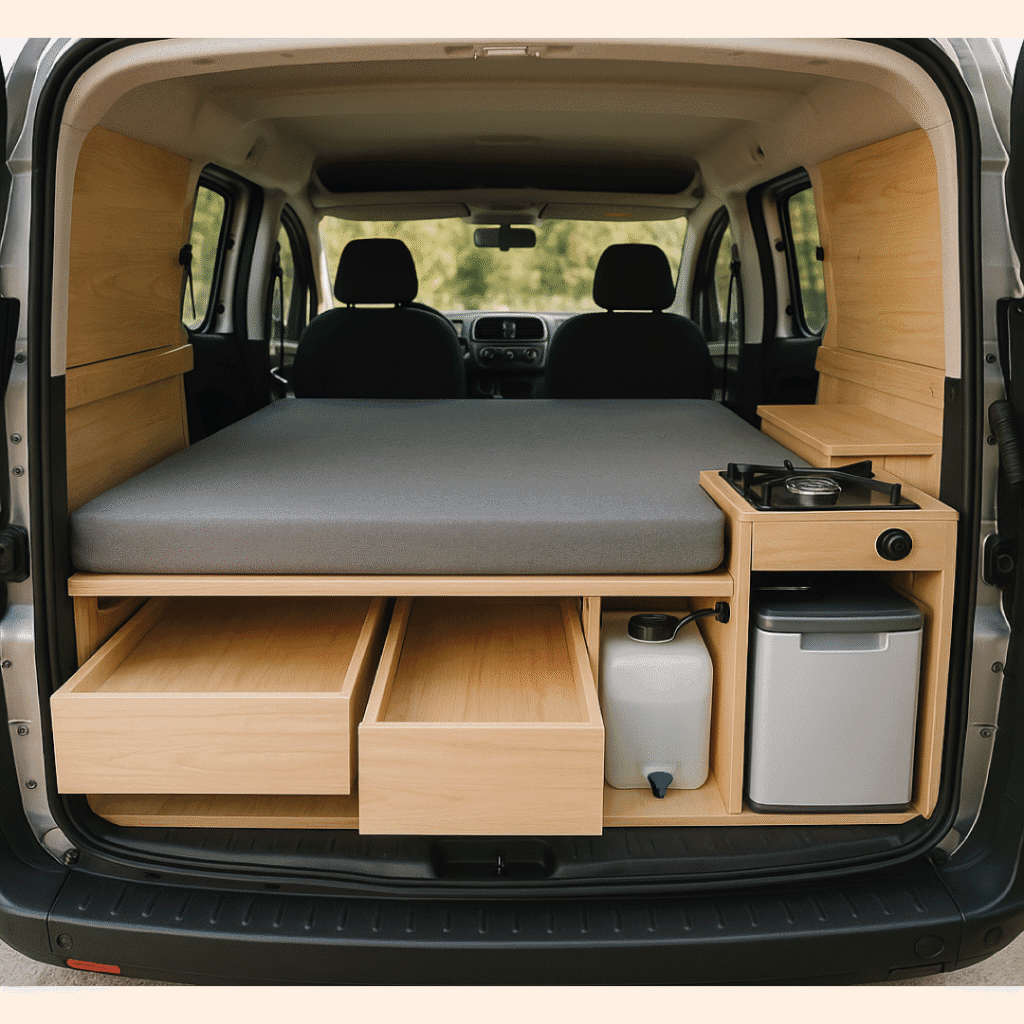
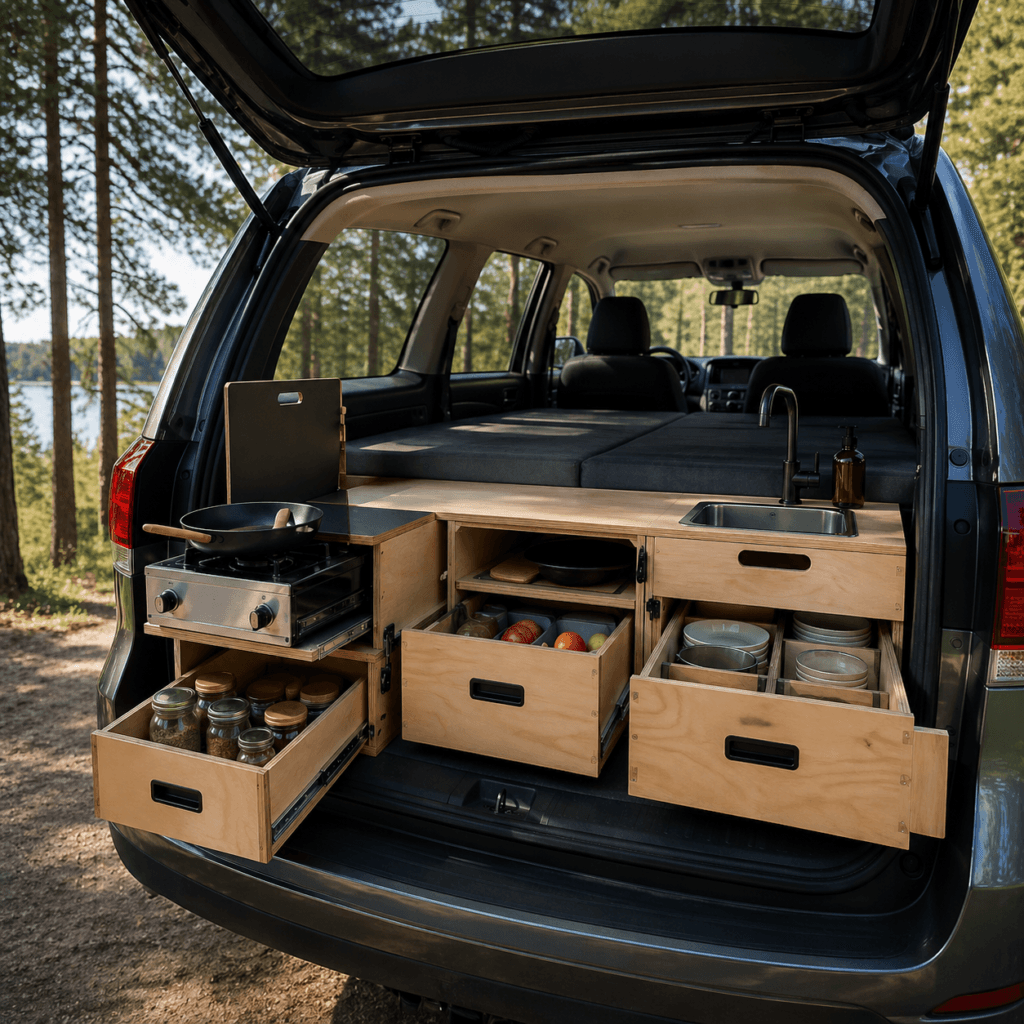
- Caravan Conversion (Vanlife): Full customization; requires an insulation, electrical, and ventilation project.
- Teardrop/Ultra-Lightweight: Minimum volume, maximum mobility; compatible with EV tow vehicles.
10) The Future: Sustainable and Smart Caravans
On the horizon: aerodynamic, lightweight bodies compatible with electric/hybrid tow vehicles, maximum solar efficiency,
highly thermally efficient insulation, and platforms supported by autonomous driving. The caravan is evolving from
just a holiday vehicle into an eco-friendly, flexible living infrastructure.
Frequently Asked Questions (FAQ)
How was the caravan invented? What was the first caravan?
The idea of portable shelter came from nomadic cultures; its evolution into wheeled homes was accelerated by medieval vardo
wagons and 18th-19th century luxury horse-drawn caravans. The automobile revolution made the birth of the modern caravan possible.
Travel trailer or motorhome?
A travel trailer is advantageous on cost/service; it’s a flexible solution if your existing car is suitable for towing.
A motorhome is practical with its “drive-and-live” comfort, but operating and maintenance costs differ.
Your use case and budget are the deciding factors.
How do you choose an electrical system?
Plan the chain: consumption (Wh/day) → battery capacity (Ah) → charging sources (MPPT solar, alternator DC-DC, 220V charging).
Lithium (LiFePO₄) is lightweight and suited to deep discharge; don’t neglect protective equipment (fuses, BMS, breakers).
What’s staying overnight with a caravan like in Turkey?
Campsites/caravan parks, some municipal areas, and nature camping spots are available.
Before your route, it’s important to check the site’s rules, water/waste facilities, and safety amenities.