
Off-Grid Independent Caravan Energy Systems: Current Solutions and Efficiency Tips
One of the most important needs when traveling by caravan is energy independence. Staying comfortably in a forest or by the coast for days without connecting to the city grid requires a strong, efficient off-grid energy system. As of 2025, caravan manufacturers and users can live independently for much longer thanks to solar panels, lithium batteries, and smart inverter systems. In this article, we take a detailed look at off-grid energy solutions for caravans, the technologies used, and efficiency tips.
What Is Off-Grid Living?
The term “off-grid” refers to systems that generate and store their own energy without being connected to any central electrical grid. In caravans, this system typically consists of solar panels, batteries, and inverters, allowing users to travel without needing campsite infrastructure. For caravan users camping especially in highland and coastal areas of Turkey, these systems offer a major advantage.
Solar Panels: The Source of Energy
Solar panels are the most common energy source in caravans in 2025. New-generation monocrystalline panels offer high efficiency even in shaded conditions. Foldable portable panels can be easily set up during camping and angled as needed. A 400–600W solar panel installation is generally sufficient to meet the daily electricity needs of an average caravan.
Efficiency tip: Adjusting panel angles seasonally and cleaning them regularly can boost efficiency by up to 20%.
Batteries: Storing the Energy
Batteries are the most critical component of energy independence. Traditional lead-acid batteries are no longer preferred due to their low efficiency and heavy build. They have been replaced by Lithium Iron Phosphate (LiFePO4) batteries. These batteries last longer (over 3,000 charge cycles), are lighter, and safer. They also recharge quickly thanks to fast-charging capabilities.
Efficiency tip: Keeping batteries within a 20–80% charge-discharge range significantly extends their lifespan.
Inverter Systems: Balancing AC and DC
Some devices used in caravans run on 12V DC, while others run on 220V AC, which is why a strong inverter system is required. “Smart inverters” stand out in 2025 models. These devices can automatically switch between DC/AC depending on demand and optimize charge management at the same time. Pure sine-wave inverters ensure sensitive electronic devices run safely.
Energy-Efficient Appliances
The success of an off-grid system depends not only on generation and storage capacity but also on consumption habits. The following devices are preferred for energy savings in caravans:
- LED lighting: Consumes 80% less energy compared to traditional bulbs.
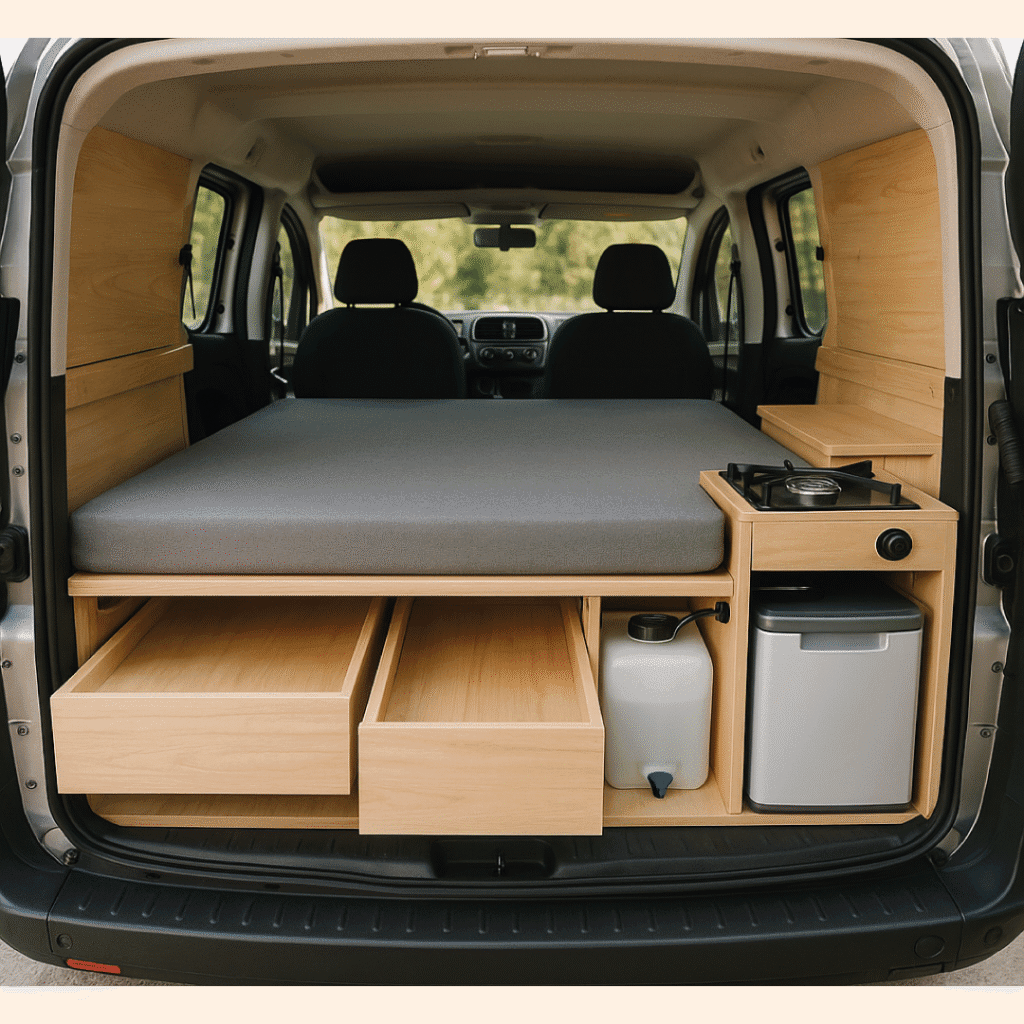
- Mini fridges: A+++ energy-rated models keep daily consumption to a minimum.
- Induction cooktops: Provide fast and efficient cooking.
- Inverter air conditioners: Provide long-term cooling/heating with lower consumption.
Backup and Emergency Systems
Energy generation can drop on sunless days. In these situations, backup systems kick in. Solutions such as portable generators, wind turbines, or charging the battery via the vehicle’s alternator are commonly used. In addition, energy management apps help users save by showing in real time how much each device is consuming.
Sustainability and Environmental Impact
Off-grid energy systems don’t just provide comfort — they also support an eco-friendly lifestyle. Renewable sources like solar and wind significantly reduce the carbon footprint. In 2025, many caravan manufacturers are favoring recyclable materials and environmentally conscious production techniques in their energy systems.
Off-Grid Caravan Trends in Turkey
Off-grid caravan living is becoming increasingly popular in Turkey, especially in the Aegean and Mediterranean regions. Being able to stay independent from campsite infrastructure increases freedom. Local manufacturers now also offer factory-installed solar panel and lithium battery options, saving users from extra installation costs.
Conclusion
Off-grid caravan energy systems became the key to independent, sustainable living in 2025. A caravan equipped with solar panels, lithium batteries, and smart inverters makes it possible to stay comfortably in nature for days on end. With energy-efficient devices and smart management solutions, these systems offer a lifestyle that is both practical and eco-friendly. As these technologies become even more widespread in the future, caravan living will become more free and more sustainable.