Caravans and travel trailers are attractive targets for thieves, both because of their high resale value and because they often sit unattended for long periods. Towed caravans face the risk of simply being hitched to a vehicle and driven away, while motorhomes face risks like electronic key cloning and OBD-port hot-wiring. This guide covers GPS tracking systems, alarm solutions, physical security devices, and the layered security approach that brings them all together.
Why Are Caravans a Theft Target?
Because towed caravans have no engine of their own, they can be hitched to a tow vehicle and driven away within minutes, making them vulnerable in ways that differ from motorhomes, which require starting the engine. Motorhomes, in turn, face risks from key cloning and OBD-based hot-wiring. In both cases, onboard equipment — TVs, generators, bike racks — can also become separate targets.
1) GPS Tracking Systems
GPS trackers let you monitor your caravan’s real-time location via satellite. Modern systems typically update location every 30 seconds and send instant alerts through a phone app.
- Geofence alerts: You receive an instant notification if the caravan leaves a zone you’ve defined — useful for catching unexpected movement while parked.
- Standalone battery-powered trackers: Units that aren’t wired into the caravan’s own electrical system, so they keep working even if the caravan’s power is cut. Easy to install and link to a phone app.
- Battery status monitoring: Some devices let you remotely check not just location but also the caravan’s leisure battery status.
GPS tracking services typically involve an annual subscription fee (commonly cited around $200/year in international markets, with Turkish providers offering comparable annual data-line packages). When choosing a device, pay attention to battery life, alert speed, and the quality of the companion mobile app.
2) Alarm Systems
Alarm systems rely on sensors that detect motion or vibration. Advanced systems sound an audible alarm and send an instant notification to the owner when someone attempts to tow the caravan away. Some high-end solutions can even automatically apply the caravan’s brakes when a theft attempt is detected, physically preventing it from being towed — these are often paired with a loud siren (100+ dB).
Points to consider when choosing an alarm:
- Low false-positive rate — it shouldn’t trigger from wind or minor vibration
- Whether installation requires tapping into the caravan’s electrical or gas system
- Dependence on mobile network coverage for remote alerts (rural areas can have signal gaps)
3) Physical Security Devices
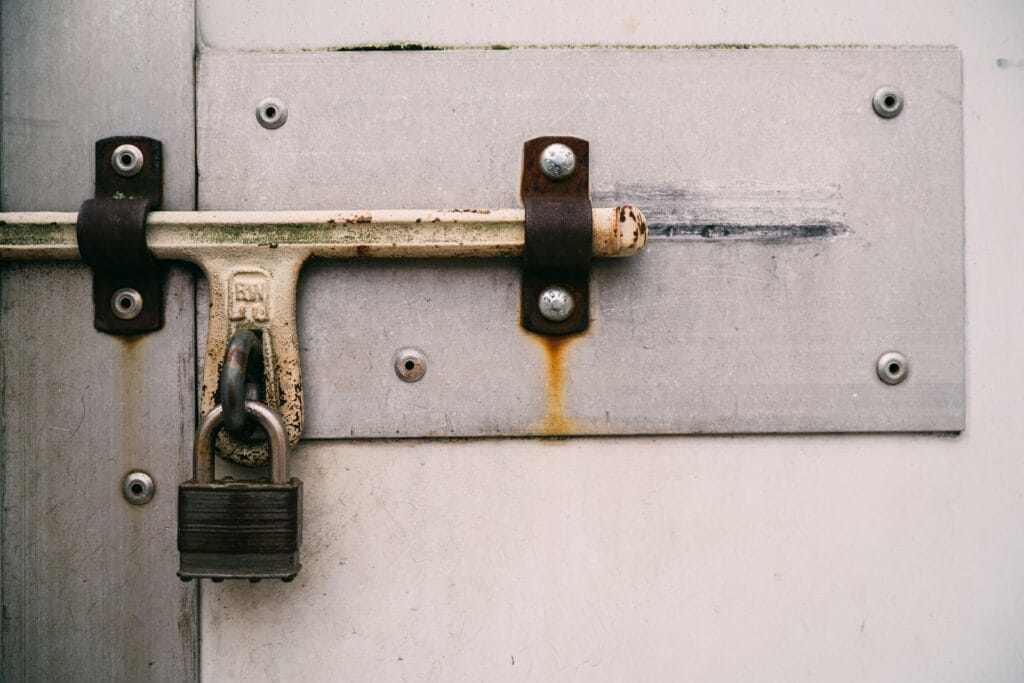
Electronic systems alone aren’t enough; physical barriers both slow thieves down and act as a visible deterrent.
- Hitch/coupling lock: Physically prevents the caravan from being coupled to a tow vehicle. Alarmed versions also sound an alert if someone tampers with the lock.
- Wheel clamp: A visible, sturdy clamp makes moving the caravan practically impossible and is a strong visual deterrent on its own.
- Caravan cover: Not a security device by itself, but keeping the caravan “out of sight, out of mind” can reduce opportunistic theft attempts — especially recommended for long-term storage.
4) The Layered Security Approach
Security experts consistently emphasize the same point: no single device or measure is enough to stop a determined thief. The most effective approach combines multiple layers — for example, a hitch lock plus a GPS tracker plus a visible wheel clamp is far more deterring than any single alarm system alone. Thieves generally look for the easiest target; layered security turns your caravan into a “difficult” one.
5) The Insurance Connection
Caravan insurance policies generally include theft coverage, but some policies require an approved security device (GPS tracker or alarm) to be installed, or offer a premium discount if one is present. When reviewing your policy, it’s worth clarifying exactly what conditions apply to theft coverage and whether a security device is required. See our existing insurance guides for more on caravan insurance coverage and exclusions.
6) Parking Choices and Practical Tips
- Park in a well-lit, visible, high-traffic area whenever possible
- For long-term storage, choose secure caravan storage facilities with CCTV
- Don’t leave valuables (electronics, bikes, generators) visible inside the caravan
- Regularly check your GPS tracker’s battery and connection status
Frequently Asked Questions
Does a GPS tracker guarantee recovery if my caravan is stolen?
No, it doesn’t guarantee recovery, but it provides valuable location data that helps police investigations and recovery efforts. The highest recovery success rates occur when GPS tracking is combined with physical deterrents.
Is a hitch lock or a wheel clamp more effective?
Each targets a different attack point: a hitch lock prevents the caravan from being coupled to a vehicle, while a wheel clamp prevents it from being moved on its wheels. The safest approach is to use both together.
Do insurers offer discounts for caravans with security devices?
Some insurers offer premium discounts for approved GPS trackers or alarm systems, though this varies by provider. It’s worth discussing this with your insurer before renewing your policy.
Conclusion
The most effective defense against caravan theft isn’t relying on a single “miracle” device — it’s a layered approach that combines GPS tracking, an alarm system, and physical locking equipment. Backing these up with simple habits like smart parking choices makes your caravan a significantly less attractive target for thieves.
This article was prepared by the CampExpert Editorial Team. Security product prices and insurer policies can change over time; we recommend confirming current details with your supplier and insurance provider before purchasing. Last checked: July 20, 2026.