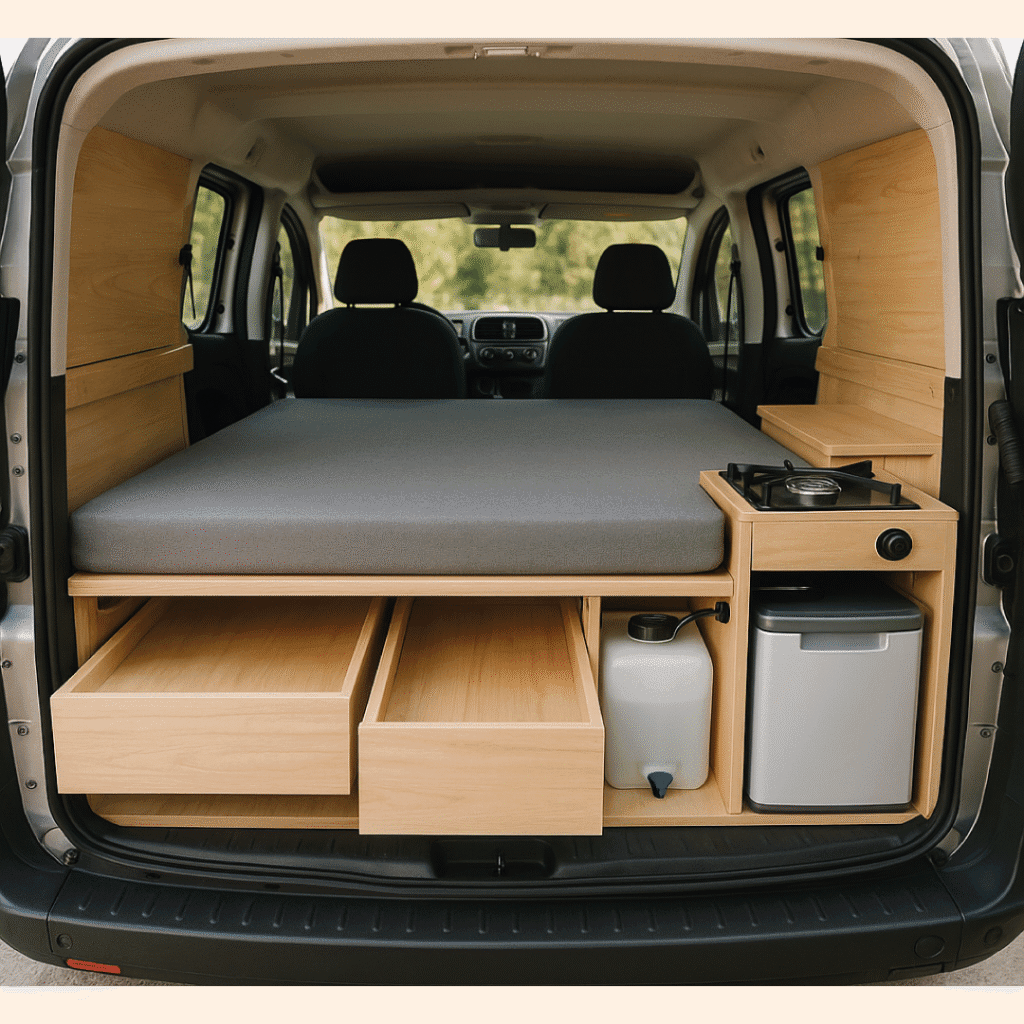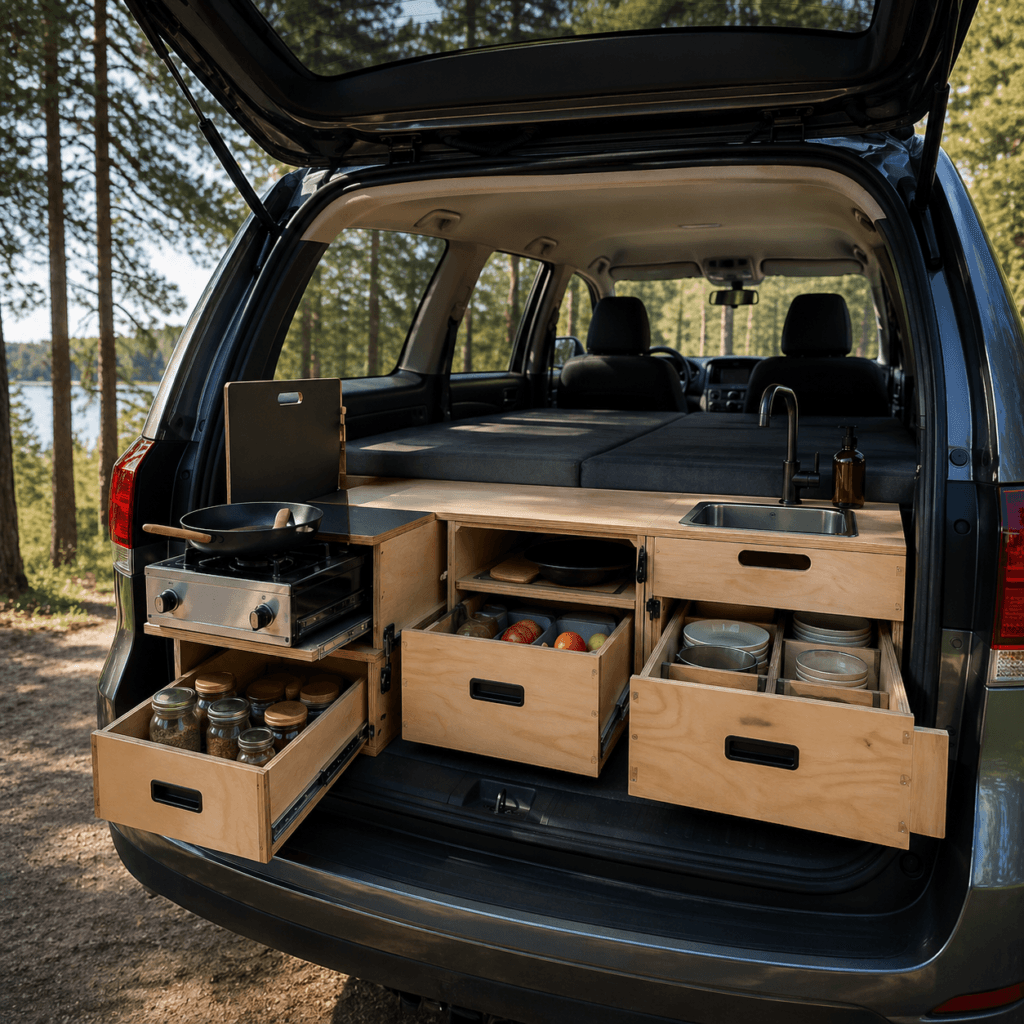

Correct thermal insulation is the foundation of comfortable four-season caravan living. Choosing the right material largely prevents overheating in summer, heat loss in winter, condensation, mold, and moisture problems. Yet there’s still a lot of misinformation floating around in caravan online groups. This guide, based on the most current information as of 2025, covers every material used for thermal insulation in caravans in detail: Armaflex, rubber foam, XPS, EPS, rock wool, glass wool, PIR panel, PE foam, and more.
This guide also covers critical topics such as condensation, vapor barriers, thermal bridging, adhesive selection, and common application mistakes.
1. The Purpose of Thermal Insulation in a Caravan
Insulation in a caravan isn’t just about blocking heat or cold. The real goals are:
- Preventing thermal bridges
- Reducing condensation
- Less heat loss in winter, less overheating in summer
- A quieter cabin
- Saving fuel and energy
When thermal insulation isn’t done correctly, a caravan can develop sweating on interior surfaces, moisture, dripping, bad odor, and structural rot.
2. Insulation Materials Used (Suitability Analysis for Caravans)
Below are the pros and cons of the most commonly used insulation materials in Turkey.
2.1 Armaflex / Rubber Foam (The Most Popular Option)
Armaflex (rubber foam) is the most widely used insulation material in caravans.
- Closed-cell structure → doesn’t condense
- Easy to bend and conforms well to sheet metal surfaces
- Contributes to sound insulation
- Self-adhesive versions allow fast installation
Advantages:
- Moisture-proof
- Flexible and vibration-resistant
- Used by most professional caravan manufacturers
Disadvantages:
- Non-adhesive versions can peel off over time if the wrong glue is used
- Incorrect cutting can increase material waste
2.2 XPS (Extruded Polystyrene Foam)
Usually used in 2–3 cm thickness, XPS performs well on flat surfaces thanks to its rigid structure.
Advantages:
- Inexpensive
- High thermal insulation value
- Its rigidity lets it double as a base for furniture
Disadvantages:
- Difficult to apply on curved body panels
- Can crack over time since it doesn’t flex
- Condensation can leak in at the edges
2.3 EPS (White Styrofoam)
Not recommended for caravans, because:
- It doesn’t conform to sheet metal surfaces
- It breaks down under repeated hot-cold cycles
- It can hold onto moisture
2.4 Rock Wool / Glass Wool (Definitely Not Suitable)
Even though some tradespeople in Turkey still recommend it, using it in a caravan is very risky.
- Holds water → causes mold, odor, and rot
- Applying it to sheet metal surfaces is unhealthy
- Breaks apart under driving vibration
Bottom line: rock wool and glass wool should not be used in a caravan.
2.5 PIR Panel (Professional Grade)
PIR panels are chosen in premium caravans for their high thermal resistance and low thermal conductivity.
Advantages:
- Delivers high thermal insulation
- High fire resistance
- Long-lasting
Disadvantages:
- Difficult to apply on curved surfaces
- Heavy
- Requires precise cutting
2.6 PE Foam
Not as effective as Armaflex, but it can be enough for “light use” if you want a lower-cost solution.
3. Choosing a Thickness
The most commonly used thicknesses in caravans:
- 10 mm: door interiors, thin panels
- 19 mm: side panels, ceiling
- 32 mm: premium-grade, suited for winter use
Recommendation: 19 mm Armaflex is enough for average four-season use. Users focused on winter camping may prefer 32 mm.
4. The Condensation Problem
Condensation is one of the most dangerous problems in a caravan. When the sheet metal surface meets warm interior air, water droplets form, and over time this can lead to:
- Odor
- Mold
- Panel rot
- Damage to the electrical wiring
To prevent this:
- Always use closed-cell rubber foam
- Insulation panels must sit fully flush against the surface
- No gaps should be left
- The vapor barrier must be applied correctly
5. Vapor Barrier
As warm air inside the vehicle moves toward the cold sheet metal surface, it needs to be stopped by a “barrier.”
A vapor barrier prevents:
- Moisture from reaching the sheet metal surface
- Condensation
- Mold formation
Since rubber foam (Armaflex) has a closed-cell structure, it doesn’t need a separate vapor barrier. However, systems using XPS always need an aluminum-taped vapor barrier.
6. Correct Application Order
- Clean the surface — with alcohol or a degreaser
- Cut the rubber foam panels
- Ceiling → side surfaces → doors → chassis arches
- Fill gaps with small offcuts
- Seal seams with aluminum tape
- Install the top panel (wood cladding)
7. Common Mistakes
• Using rock wool or glass wool
The single biggest mistake made in caravans.
• Leaving insulation half-finished
Insulating one panel while leaving another bare causes serious condensation.
• Not using the right adhesive
Rubber foam peels off over time and air gaps form.
• Leaving a gap between the sheet metal surface and the material
Gap → condensation → mold.
• Forgetting the wheel arches
The wheel arch is the surface that transfers the most heat, so it should always get a double layer.
8. Sound Insulation and Thermal Insulation Are Not the Same Thing
Thermal insulation materials generally provide some sound insulation, but that’s not their primary purpose. For those wanting professional-grade quiet:
- Butyl sheet
- Acoustic foam
- Mass-loaded vinyl
can be added as extra solutions.
9. Frequently Asked Questions
What’s the best insulation material?
For general use, Armaflex rubber foam is the most balanced solution.
What thickness do you need to live in a caravan through winter?
32 mm rubber foam, applied correctly, is enough.
XPS or rubber foam?
Rubber foam prevents condensation and is easier to apply without issues.
Is a vapor barrier always needed?
No with rubber foam; yes with XPS/EPS types.