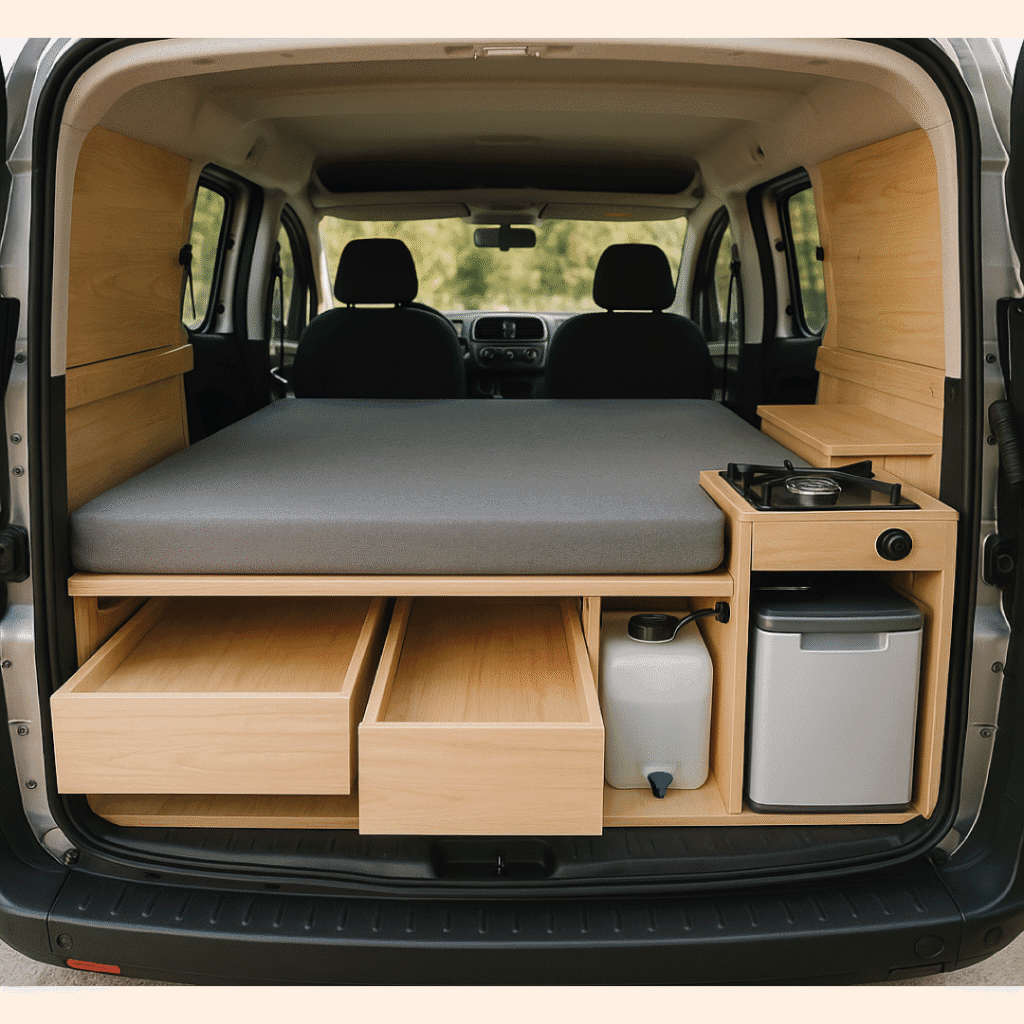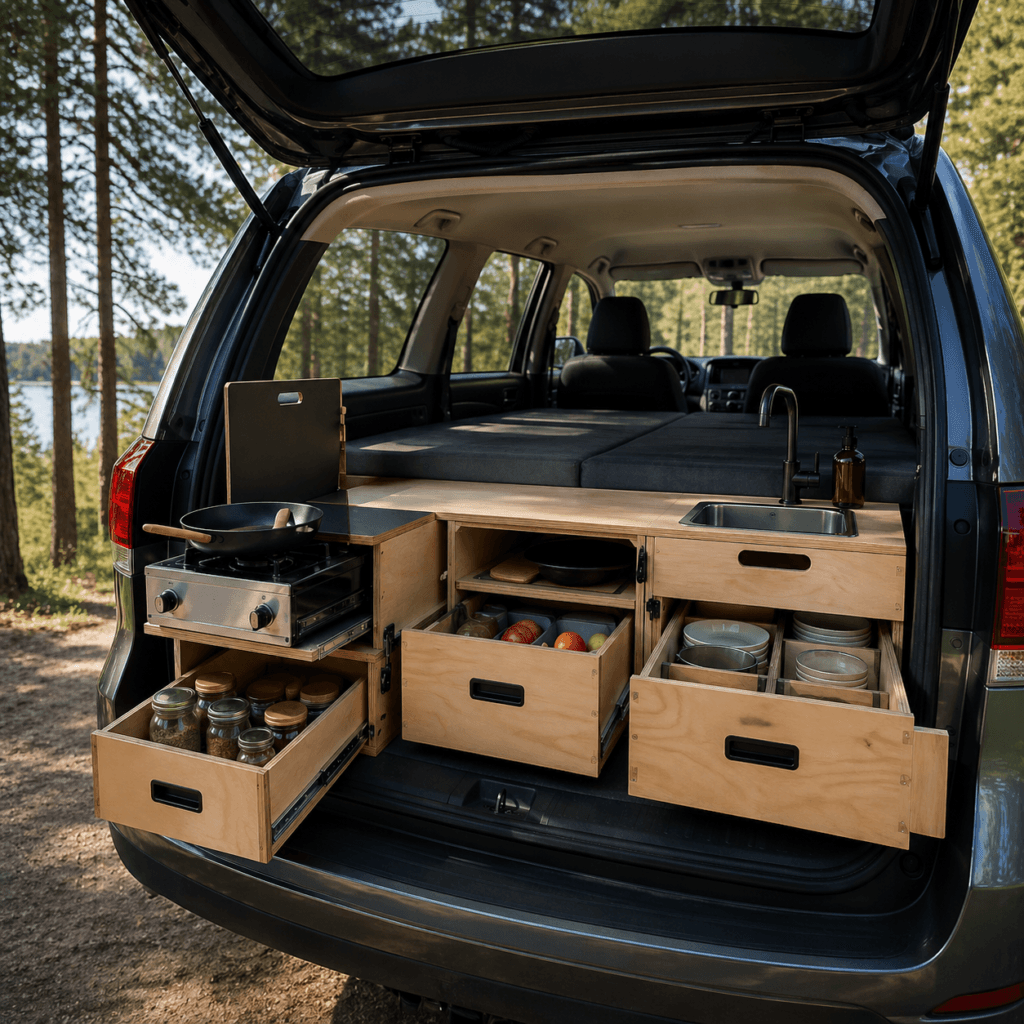
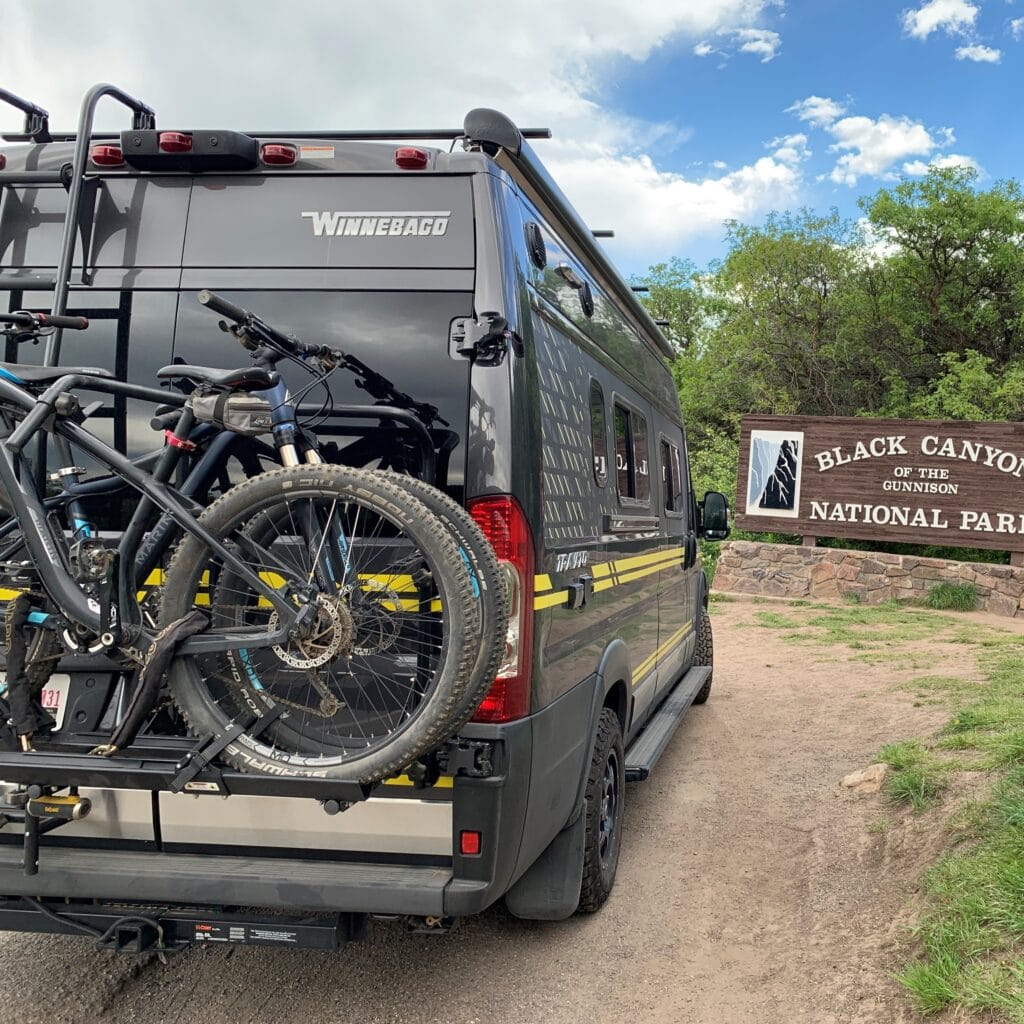
The camping and caravan world has been going through a quiet but deep transformation over the past few years. It’s no longer just about “a bigger bed” or “a stronger engine” — electric drivetrains, lithium power banks, satellite internet and smart sensors are now the industry’s real talking points. From Germany to Japan, from Australia to the United States, different markets are arriving at strikingly different solutions to the same problem. Here’s a roundup of the camping and caravan technologies making headlines worldwide as of 2026.
The Rise of the Electric Motorhome
One of the biggest inflection points in the RV industry is those fully electric and range-extended models finally moving toward series production. US manufacturer THOR Industries, through its Entegra Coach brand and a partnership with electric commercial vehicle startup Harbinger Motors, unveiled a project called “Embark.” It claims to be the world’s first range-extended electric Class A motorhome: on electric power alone it covers roughly 105 miles, and with its onboard generator that range extends to around 450 miles. Series production is planned to begin sometime in 2026.
Winnebago is pushing forward on two fronts at once. On one side, it’s developing a fully electric camper built on the Ford E-Transit platform: a 68 kWh main battery delivers about 108 miles of range, while a separate 15 kWh “house battery” paired with a 900-watt rooftop solar array powers the fridge, lighting and climate systems independently of the drive battery — meaning the living space stays powered even when the vehicle itself is parked and off. On the other side, the “Power Max” version of the existing Travato lineup combines an 8.4 kWh Lithionics lithium battery pack with 245 watts of solar, aiming to let owners camp for days without ever starting the diesel engine.
Not every electric venture survives contact with reality. Coachmen’s RVEX project, built on GM’s BrightDrop platform, was cancelled outright once GM discontinued that platform — a reminder that the sector still carries real supply-chain and platform-dependency risk. Still, the overall direction remains firmly electric.
It’s also worth a glance at the concept side of things. Kia’s WKNDR concept is fully electric, off-road capable, and built around a modular interior — seating and storage can be reconfigured to the owner’s needs, letting the same vehicle serve daily city driving and multi-day camping trips alike. Concepts like this haven’t reached production yet, but they signal that major automakers now see the camping/RV segment as a core part of their EV strategy rather than a niche afterthought.
Lithium and Solar: Standard Now, Not a Luxury
Off-grid power systems, once an optional upgrade, have become a baseline expectation in many markets by 2026. Nowhere is this clearer than in Australia. Australian power-system manufacturer Arizon Off-Grid launched 11 new products in the past 12 months alone, including its “Nexus Series” power control systems integrated with Victron Energy technology and higher-efficiency solar panels. Australian caravan brands Supreme and Leader now include lithium batteries as standard across their entire 2026 lineups; companies like Redarc are bundling solar charge controllers, DC-DC chargers and battery management systems (BMS) into a single unit, cutting down on cable clutter and speeding up charging for extended off-grid stays.
US-based smart-caravan startup Skydream is entering the Australian market this year too. Its “Intelligent Energy” system pairs a 30-85 kWh lithium iron phosphate (LFP) battery with advanced energy-management software to support long off-grid stints. The broader trend is unmistakable: 48-volt “house electrical systems,” 3,000-watt-plus inverters, and 400-800 Ah lithium battery banks are becoming routine in mid-to-upper segment caravans.
There’s a software dimension to all this power hardware too. Battery management systems no longer just protect the charge/discharge cycle — they now feed mobile apps with live power-consumption graphs, solar-panel efficiency data and battery-health reports. That lets an owner see, say, how much they need to conserve on a cloudy day before it becomes a problem — essentially a “smart home” approach applied to off-grid power.
From Germany: Caravan Salon Düsseldorf 2026
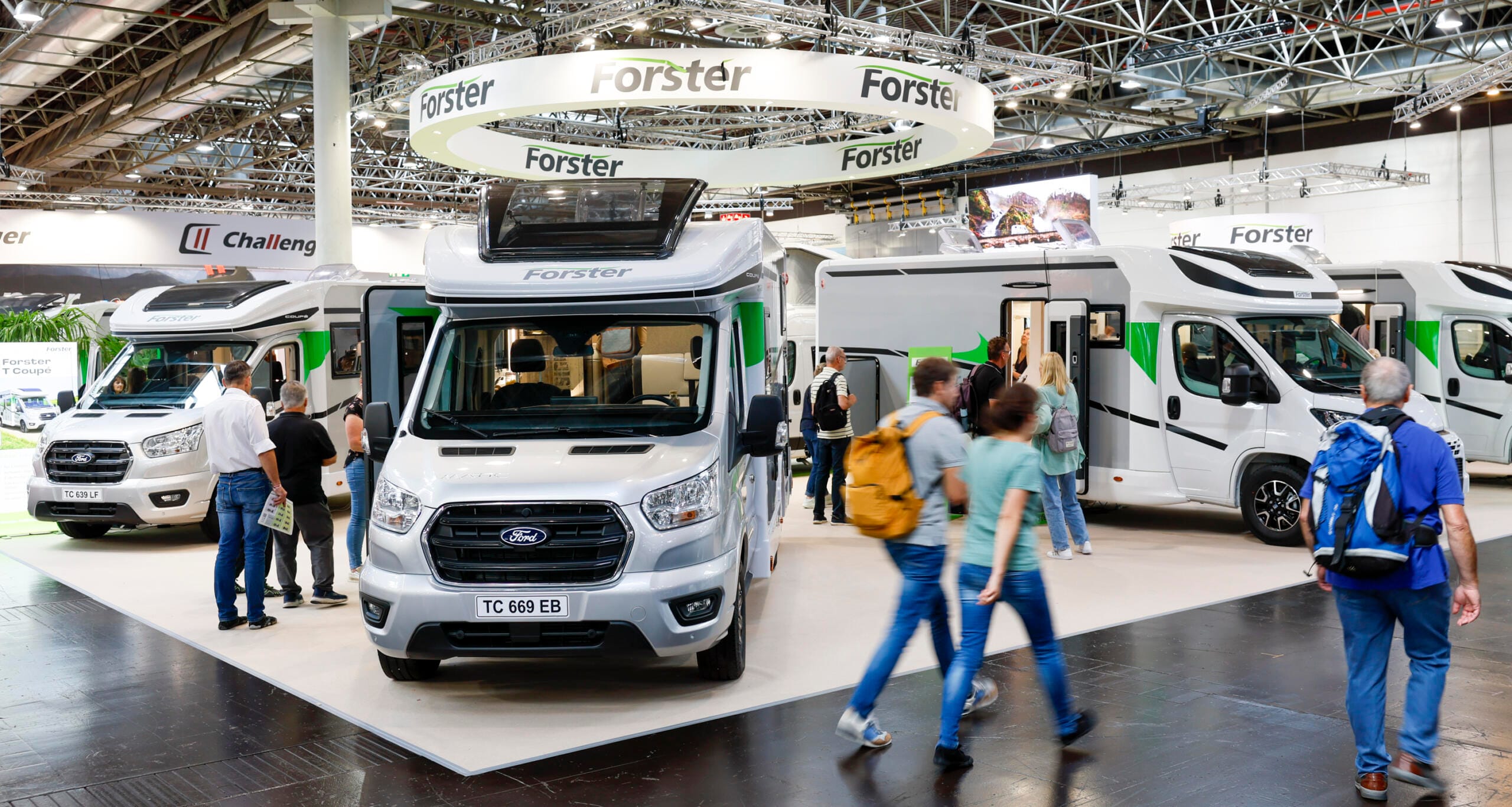
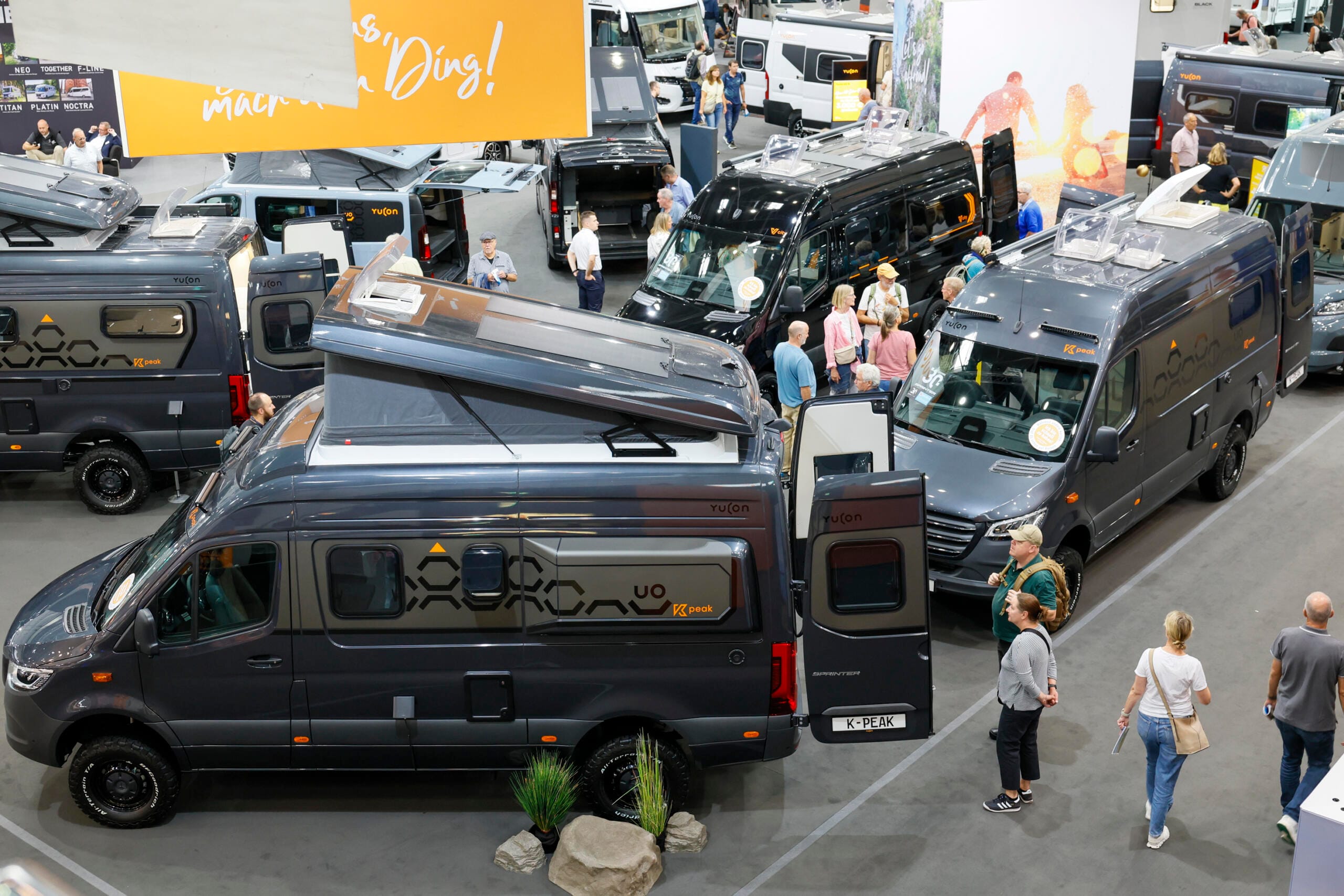
Europe’s largest caravan trade fair, Caravan Salon Düsseldorf, opens for its 65th edition from August 28 to September 6, 2026. Organizers are framing this year’s theme as “opening up new worlds,” and the show floor is adding two new sections: a dedicated off-road caravan area in Halls 16 and 17, and a rooftop-tent-focused area in Hall 7a.
Among the products expected to draw attention is Eberspächer’s “Breezonic Slim Power” rooftop air conditioner paired with an 8.5-liter e-boiler — the unit delivers 2.8 kW of cooling while producing hot water from the same electrical infrastructure. At the luxury end, German manufacturer VARIOmobil will show off its four-way slide-out systems, which can expand interior living space to roughly 36 square meters. The broader European trend is toward multiplex electrical panels and app-controlled smart systems — Winnebago’s “Winnebago Connect” remote monitoring platform is the US equivalent of the same shift.
Japan’s Micro-Caravan Culture: The Kei Camper
Japan, shaped by tight land constraints and urban parking limits, has developed a camping culture unlike anywhere else: the “kei camper” — a micro camping vehicle built on 660cc mini commercial trucks known as kei trucks. Unveiled at the 2026 Japan Camping Car Show, Direct Cars’ “Katana Mini” (also called the Dune Rover) is built on a Daihatsu Hijet kei-truck chassis and starts at roughly $28,000, with a fully optioned “rugged” trim climbing to about $45,800.
Japanese manufacturer Auto One’s Suzuki Every-based model stands out for its pop-up roof: once raised, the interior converts into a full-length 198 cm sleeping area, and the elevated roof section creates an additional two-person berth above. Despite the tiny footprint, manufacturers still manage to squeeze in a sink, microwave, a 35-liter fridge, a TV screen, under-bed storage, ambient lighting and air conditioning. Kei campers represent perhaps the most extreme expression of “small but cleverly designed” as opposed to “one giant vehicle that does everything,” and they’ve started influencing designers in Western markets too.
Internet Everywhere: Starlink and Satellite Connectivity
Another major shift for RV owners is happening in communications. SpaceX’s Starlink Roam service is, in practical terms, the only real portable satellite internet option for RVers today. Early in 2026, both the Starlink Mini and the standard dish received updates that cut power consumption by roughly 25%; the $249, 2.5-pound Mini has become the go-to hardware choice among RVers thanks to its low power draw and portability. All Roam plans now include in-motion use at speeds up to 100 mph at no extra cost — as long as there’s a clear view of the sky, speeds can range from single-digit Mbps in congested areas to over 200 Mbps in less populated ones. This technology has become a key enabler for the growing population of “digital nomads” who want to travel while working remotely.
Sustainable Materials and Smart Camping Gear
Innovation isn’t limited to vehicles on wheels — tent and camping-gear makers are making real strides in materials science too. The standout development in textiles is graphene-infused fabric, which increases tear resistance by roughly 300% compared to traditional nylon while also making the material lighter. Another technology, “phase change materials” (PCM), is being woven into tent fabric to keep interior temperatures more stable throughout the day.
Smart tents are spreading too: sensors that track temperature, humidity and air quality can now automatically adjust ventilation and heating, and some models use AI-assisted weather tracking to alert campers to storms or sudden temperature swings in real time. One Red Dot Design Award-winning tent tackles summer heat by embedding solar technology directly into its composite tarpaulin fabric to power a built-in air-conditioning unit. The broader market is shifting toward recycled composite materials and modular, repairable designs — industry reports suggest more than 60% of top-rated 2026 camping gear either uses certified recycled materials or offers a part-by-part repair path.
One Screen, Full Control: Camping Apps
Alongside the hardware, software is moving just as fast. Platforms like Winnebago Connect let owners monitor a vehicle’s power status, water tank levels, indoor/outdoor temperature and even door and window sensors from a single app — some systems can even start pre-heating or pre-cooling the cabin remotely from miles away. Europe’s shift toward multiplex electrical architecture means traditional wiring harnesses are giving way to a single digital backbone, which both simplifies fault diagnosis and lets manufacturers add new features via software updates — much like a smartphone.
Trip-planning is evolving too: many apps today go beyond simple navigation, combining occupancy-aware campsite suggestions, real-time weather alerts and community-flagged “hidden gem” stopping points. The spread of satellite connectivity like Starlink means these apps can keep working reliably even far from cities and cell towers — turning navigation, power management and communication from three separate systems into a single connected ecosystem.
Conclusion: Different Markets, One Shared Direction
America’s large-scale electric motorhomes, Australia’s now-standard off-grid lithium systems, Germany’s luxury- and off-road-focused trade-show innovations, Japan’s minimalist kei camper culture, and the freedom of “working from anywhere” made possible by satellite internet — together, this picture shows that camping and caravan technology is no longer defined by any single manufacturer or market. Each region is solving its own particular constraints: Japan’s narrow streets gave rise to the micro-caravan, Australia’s vast outback makes off-grid power independence a necessity, and Europe’s strict emissions and noise regulations are pushing electrified auxiliary systems (air conditioning, heating) to the front.
The common thread is clear: electrification, energy independence, digital connectivity and sustainable materials. Where these four trends intersect, the caravan is no longer just “a rolling place to sleep” — it’s becoming a small self-contained living system that generates its own power, reports its own status, and stays connected under almost any condition.
Many of these developments haven’t fully reached every regional market yet — particularly fully electric models and high-capacity lithium systems, which remain limited by price and charging infrastructure in the near term. But keeping an eye on these global trends is still valuable for anything from buying a used imported vehicle to choosing the right gear. Solar-plus-lithium retrofits, for instance, are already a reasonably accessible upgrade almost anywhere; satellite internet is increasingly on the radar for campers heading to mountain or coastal spots with weak signal. In short, the direction for the global caravan industry is clear: more independent, more connected, and less dependent on fuel.
Sources: RV Business, RV Pro, Caravan Salon Düsseldorf official press releases, THOR Industries, GearJunkie, OpenVan.camp, Carscoops, AAP News, Adelaide RV, Arizon Off-Grid, SatelliteInternet.com, RV Journal, Kelyland Outdoors and various industry sources, July 2026.