Over the past few years, caravans have shed their old “holiday vehicle” image and turned into genuine living spaces. In 2026, interior layout choices lean toward solutions that combine minimalism, modularity, sustainability, and digital comfort — delivering a big living experience in a small footprint. This comprehensive guide offers practical, actionable, and up-to-date guidance for anyone planning a new caravan build, renovating their current rig, or taking their first steps into caravan interior design. Which color palette creates a sense of spaciousness? Which storage solutions speed up daily routines? Which lighting setups improve sleep? Which materials are sustainable and long-lasting? We cover it all.
Trends shift quickly, but a few things remain constant on the ground: in a small space, organization, flow, and light management are everything. Good design shouldn’t just look good — it should make it possible to live in a moving home without wearing yourself out. That’s exactly where 2026’s preferences converge.
1) Modular and Convertible Furniture: Scenarios That Change Throughout the Day
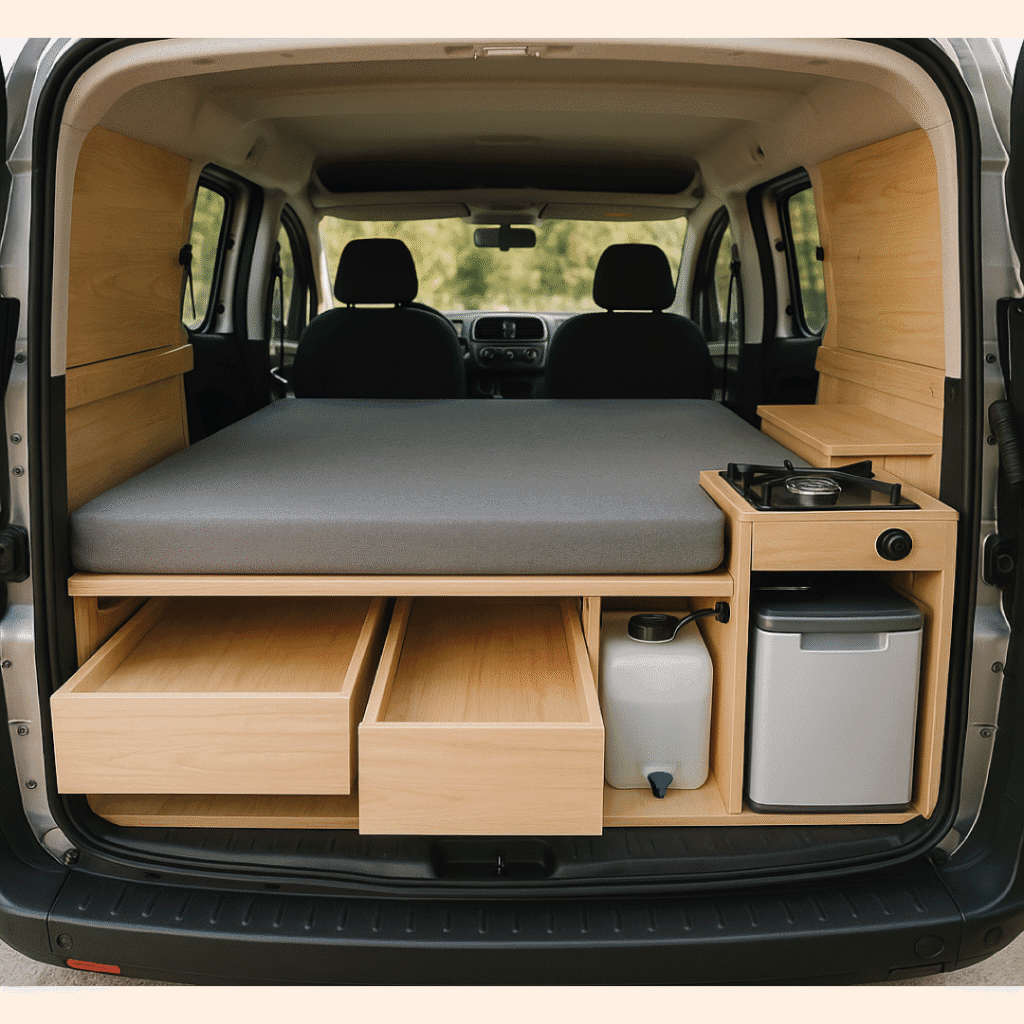
The clearest trend in 2026 caravan interiors is single-purpose pieces giving way to multi-functional, convertible modules. A surface that’s a work desk by day becomes a dining spot by evening, then folds down into a bedside unit at night. Rail-and-lock connectors reduce vibration while on the move and improve safety. Sliding rails, latch fasteners, and magnetic catches keep items in place while also making opening and closing more comfortable.
- Convertible seating: designs where the backrest folds flat in one motion into a double bed, with the base doubling as storage, are gaining ground.
- Folding work desk: a desk mounted on a wall rail folds into an 8–10 cm panel outside of working hours, freeing up the space.
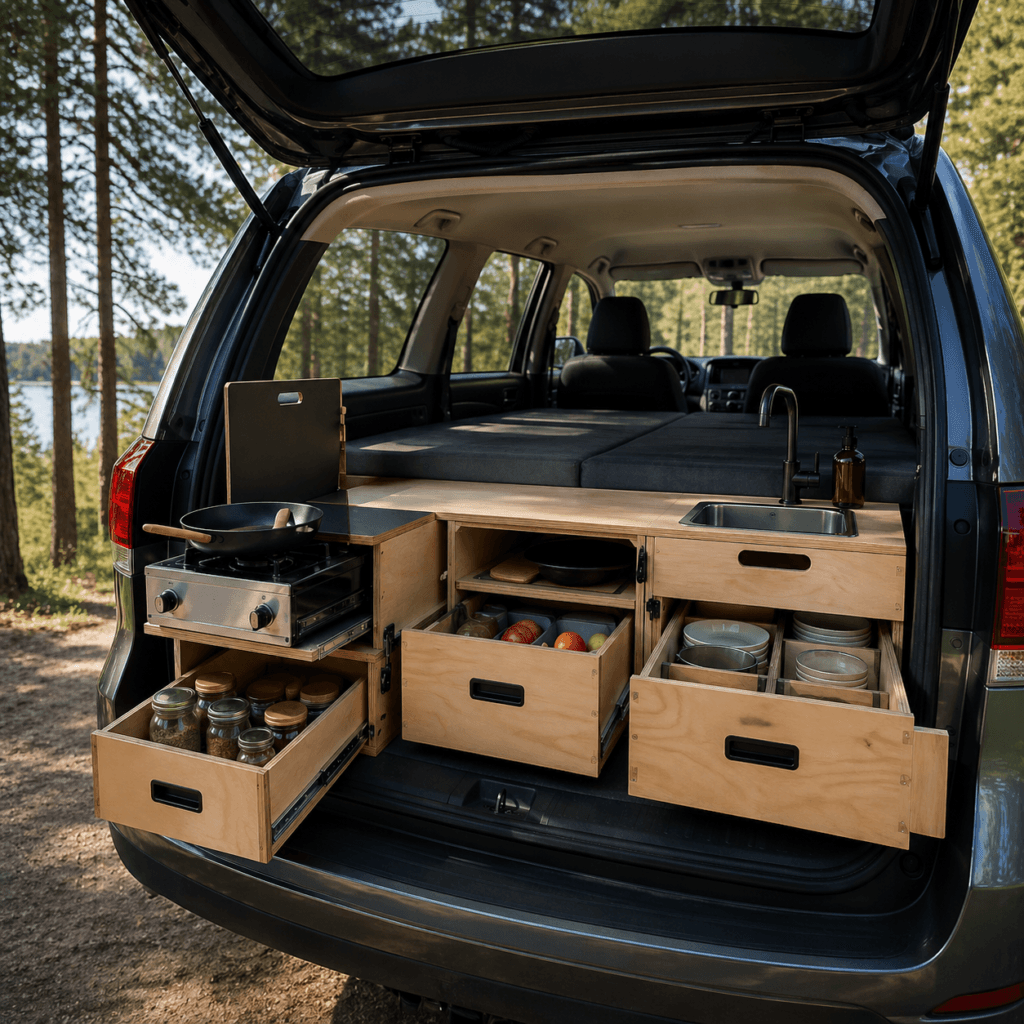
- Multi-purpose kitchen module: a stovetop hidden inside a drawer, its lid doubling as a cutting surface — when closed, it looks like a clean countertop.
The biggest win of this approach is flow. When the morning routine and the evening routine play out on the same footprint, small spaces get clogged. Modularity creates the flexibility to move around without bumping into things. And thanks to how easily pieces come apart and go back together, you can update the interior layout over time as your habits change.
2) Natural Tones, Warm Textures: The Palette That Makes a Small Space Feel Bigger
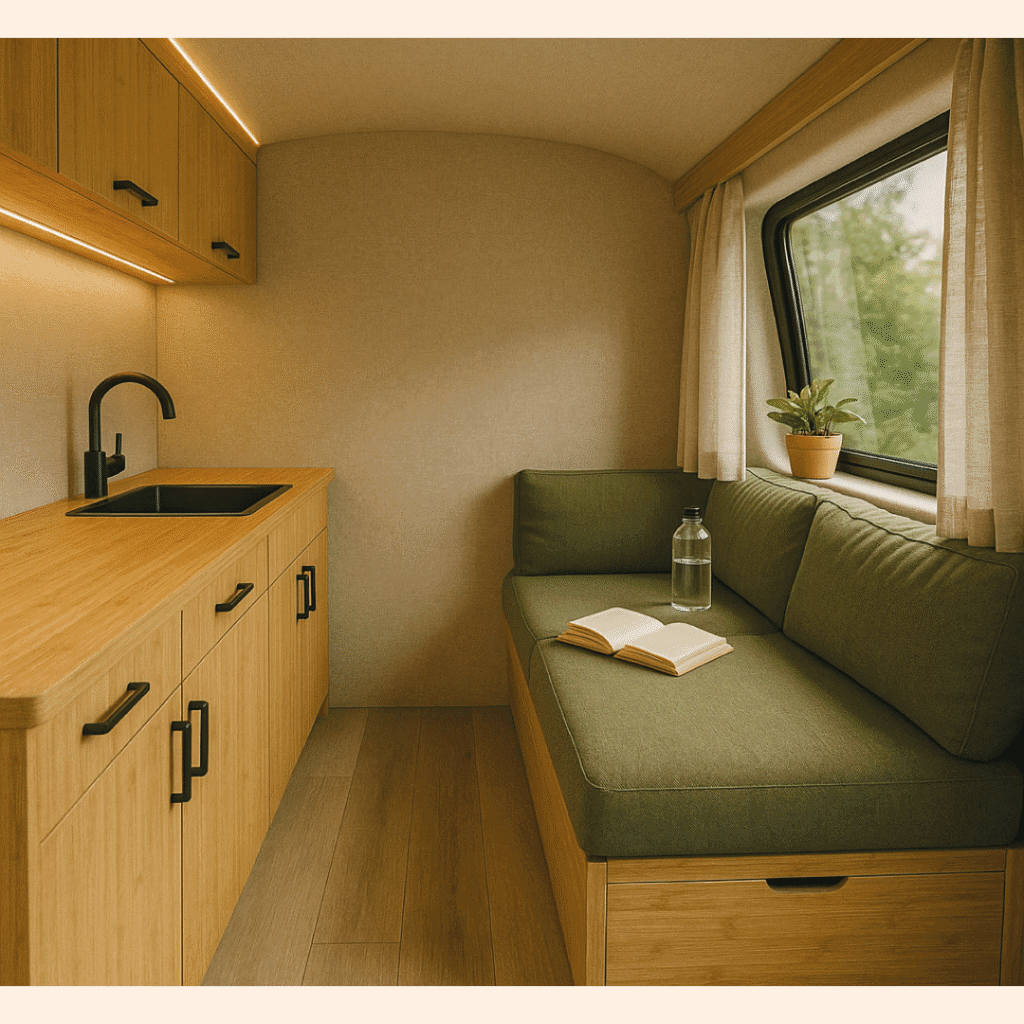
Color palette is the fastest way to create a psychological sense of spaciousness in a small volume. In 2026, tones like beige, sand, light oak, linen, olive green, and stone gray are gaining weight. Choosing matte textures over glossy surfaces improves reflection control, producing a calmer interior atmosphere both in photos and to the naked eye.
- Wood surfaces: light-toned surfaces like bamboo, birch, and oak let the space breathe.
- Textile choice: linen and cotton blends last longer thanks to their breathable, easy-to-clean structure.
- Use contrast carefully: keep dark colors to accessories, in moderation. Light tones on the floor, walls, and large furniture preserve the sense of openness.
Semi-sheer fabrics, rather than blackout curtains, balance natural light throughout the day. Sun-blocking blinds both improve thermal comfort and suit the interior’s clean lines. Natural metal finishes on door and cabinet handles (brushed nickel, bronze) create a warm match with a pastel palette.
3) Smart Storage: The Hidden Ally in the Fight Against Clutter
In caravan life, “a place for everything” is sacred. 2026 trends aim to preserve order by keeping storage out of sight. Drawers under seating bases, compartments beneath steps, closed shelving running along the ceiling, shallow-but-long cabinets at the foot of the bed — all of it comes together with hinges and stops that have passed vibration testing.
- Platform flooring: a floor raised 10–15 cm in the bed or lounge area creates ideal storage for sports gear, floor mats, and folding tables.
- Magnetic strips and modular hooks: move small items — from spice jars to coffee gear — onto the wall, freeing up the counter.
- Vacuum bags: compress seasonal textiles by up to 50%, freeing up space in the bases.
A practical tip: zone your storage compartments by frequency of use. Keep daily items at waist height, weekly items under the steps or on the ceiling shelf, and seasonal items on the platform floor. That way, your body expends less effort with every movement.
4) Lighting Scenarios: Big Atmosphere in a Small Volume
Lighting can multiply the perceived quality of small spaces several times over. In 2026, layered lighting has become the standard in caravans: general lighting (ceiling), task lighting (counter, reading), and accent lighting (niches, under-shelf) are all planned together. A color temperature of 2700–3000K delivers a warm, relaxing ambiance, while 4000K provides clear visibility at task-focused spots like the kitchen.
- Dimmers are a must: dim the brightness at sunset to reduce eye strain and shift into “reading mode” in the evening.
- USB reading lamps: solve phone charging at the bedside and cut down on cable clutter.
- LED strips: provide even light inside shelves and niches and under counters, with low power consumption.
On the energy side, smart switches and mobile apps bring scene transitions (e.g. “camp mode,” “work mode”) down to a single tap. Choosing a warmer scene in the evening hours to reduce blue light before sleep visibly improves sleep quality.
5) Sustainable Materials: Kind to Nature, Built to Last
The caravan is one of the most authentic ways to stay in touch with nature. That’s why 2026 shows a strong shift toward sustainable materials indoors. FSC-certified wood, water-based varnishes, low-VOC paints, and designs that support reusing recycled metal and glass are both more environmentally respectful and deliver healthier indoor air quality.
- Insulation: flax fiber, sheep’s wool, and cork panels make moisture management easier thanks to their breathable structure.
- Countertops and flooring: bamboo and high-density natural composites resist impact, balancing lightness and durability.
- Textiles: linen curtains and cotton-blend upholstery feel cool in summer and warm in winter.
Sustainability isn’t just about material choice; repairability should be a design criterion too. Easily removable modules allow part-by-part replacement, which cuts both cost and waste.
6) Compact Kitchens: Flow, Hygiene, and Quiet
Caravan kitchens have moved well beyond a single burner and a narrow sink. In 2026 models, in-drawer organizers, sliding cutting-board panels, built-in spice niches, and quiet-close hinges have become standard. Dedicating part of the counter to the daily coffee ritual makes a difference for both comfort and order.
- Above-sink multipliers: a folding drying rack or wire grid, combined with a cutting board, packs three functions into one spot.
- Cooling: drawer-style refrigerators fit more efficiently into tight layouts.
- Waste management: a two-compartment mini bin for organics and recyclables cuts down on odor and clutter.
Quiet operation is a critical criterion for kitchen materials. Silicone dividers and non-slip drawer liners keep metal pot lids from clattering together while on the move — a huge comfort gain.
7) Wet Areas: Lightness and Easy Cleaning
In a small bathroom, the biggest luxury is easy cleaning and quick drying. In 2026 designs, a one-piece shower base, water-resistant composite wall panels, an anti-fog mirror, and a well-placed exhaust fan change a lot. A folding shower curtain or an accordion glass door efficiently separates the wet area from the dry zone. For storage, shallow-but-tall niches are the best solution for shampoo and personal-care items.
A practical tip for your daily routine: turn on the ceiling vent before you shower, and keep it running for 5–10 minutes after. This keeps indoor humidity under control and extends the life of your furniture and textiles.
8) Open Plan and Visual Continuity: A Space the Eye Doesn’t Snag On
When a space is broken up, small square footage feels even smaller. That’s why open plan and visual continuity are so valuable in 2026. Treating the flooring as a single continuous surface, keeping the same style of handles and hardware throughout, and keeping walls and ceiling in close tones all let the eye read the space without interruption. Where dividers are needed, semi-transparent screens or textile-based sliders create a softer separation.
Mirrors add optical width in narrow corridors, but two facing mirrors can create an unsettling “infinite hallway” effect. The best solution is single-surface mirrors that reflect light without multiplying the scene.
9) Technology and Energy Management: Invisible Comfort
Comfort today isn’t just a soft cushion or a stylish lampshade — it’s an invisible infrastructure working correctly behind the scenes. Tracking water levels, battery status, and solar output through a mobile app, and switching inverter modes to match the scenario, makes daily life easier. Choosing low-consumption appliances (LED lighting, an efficient fridge, a fan with limited draw) keeps the energy balance in check and cuts down on unnecessary generator use.
- Prioritization: heating in winter, cooling in summer — the fridge and ventilation should be planned as the “core load” in every season.
- Backup: a portable power station or a second battery bank brings peace of mind for unexpected shading.
- Maintenance routine: check cable connections and fuses at the start of each season; loose terminals cut efficiency.
10) Style Interpretations: Japandi, Scandinavian, Retro
Japandi (Japanese minimalism plus Scandinavian warmth) delivers a sense of calm through clean lines, light wood, and natural textiles. The Scandinavian approach maximizes airiness with a triangle of white walls, light oak, and warm light. Retro, meanwhile, carries a nostalgic warmth through pastel tones, rounded corners, and brass details. The common thread across all three: fewer items, higher quality, easy upkeep.
Actionable Checklist (Quick Start)
- Plan: write out your daily movement flow (waking up, coffee, work, meals, rest) in order; identify the surface and light needs for each step.
- Furniture: prioritize pieces that serve at least two functions; choose modules that are easy to assemble and disassemble.
- Color: light tones for the floor, walls, and large furniture; add contrast through small accessories.
- Storage: zone by daily/weekly/seasonal use; make use of shallow-but-long compartments.
- Lighting: set up general + task + accent layers; add dimmers.
- Materials: low-VOC paints, FSC wood, water-based varnishes; solutions that are easy to maintain and repair.
- Energy: identify your core loads; use efficient appliances and smart controls.
Frequently Asked Questions
Which colors make a small caravan feel more spacious?
Natural, matte tones like beige, sand, light oak, and stone gray distribute light evenly, making the space feel larger than it is. Using dark tones sparingly in accessories keeps things balanced.
Is modular furniture really necessary?
Yes. Modularity is the only realistic way to fit different daily needs — work, rest, meals, sleep — into the same square footage without them colliding. It also makes it easier to update the interior layout later as your habits change.
Which lighting setting is more comfortable in the evenings?
A dimmable general light in the 2700–3000K range, plus a warm-toned reading lamp, is ideal for evening comfort. Under-counter task lighting around 4000K offers clarity, but switching to a warmer scene before bed is better for sleep.
Which materials are sustainable and durable?
FSC-certified wood, bamboo countertops, low-VOC paints, and water-based varnishes are both environmentally friendly and long-lasting. For insulation, flax fiber, sheep’s wool, and cork help manage moisture thanks to their breathability.
What’s the most common storage mistake?
Putting daily-use items in hard-to-reach compartments. Analyze frequency of use first, then zone accordingly. That way your body expends less effort on the movements you make every day.
Final word: think of your 2026 caravan interior as a system that “transforms, breathes, and requires little effort to use.” A layout the eye doesn’t snag on, consistently warm light, quiet-running mechanisms, and easy-to-clean surfaces turn a small footprint into a big way of living.